 Tools
Tools
 Condylomata Acuminata (Genital Warts)
Introduction
Genital warts (condyloma acuminata) are the clinical manifestations of a sexually transmitted infection (STI) caused by some types of human papillomavirus (HPV).[1] Genital warts are a recognized symptom of genital HPV infections. About 90% of those exposed who contract HPV will not develop genital warts, and only about 10% who are infected will transmit the virus. Two types, HPV types 6 and 11, cause 90% of all genital warts.[2][3][4] The American Cancer Society reports that there are over 200 different known types of HPV, but only 14 are considered high-risk for possible malignant transformation, including anal, cervical, oropharyngeal, and penile cancers.[2][5][6][7][8][9][10][11]
Human papillomavirus is spread through direct skin-to-skin contact with an infected individual, usually during sex.[2][3] While some types of HPV cause cervical and anal cancer, these are not the same viral types that cause genital warts (see Image. Condylomata Acuminata).[12][13] Infection with different HPV types at the same time is also possible.[1]
Etiology
Register For Free And Read The Full Article
 Search engine and full access to all medical articles
- 10 free questions in your specialty
- Free CME/CE Activities
- Free daily question in your email
- Save favorite articles to your dashboard
- Emails offering discounts
Learn more about a Subscription to StatPearls Point-of-Care
Etiology
Human papillomavirus, including HPV types 6 and 11, which cause 90% of condyloma acuminata, is transmitted primarily through penetrative sex and less commonly through direct skin contact involving the anogenital area.[1][2][14]
Epidemiology
Genital HPV infections have an estimated prevalence of 10% to 20%, with clinical manifestations (genital warts) in 1%.[2][15] The incidence of HPV infection has been increasing, with over 90% of sexually active men and 80% of sexually active women infected with HPV in their lifetime, and 80% of sexually active men and women becoming infected by age 45.[16][17] About 80% of those infected are between 17 and 33 years old, with the peak age group being 20 to 24.[16]
The overall prevalence of genital HPV infections in men aged 14 to 59 in the United States was 42.2%, with a prevalence of 45.2% for men aged 18 to 59.[18][19] The Centers for Disease Control (CDC) has estimated that 13 million new HPV infections are diagnosed annually in the United States, with over 42 million Americans already infected. The male-to-female ratio is about 1:1.[20] Older data indicated that genital warts are about twice as common in Caucasians as in African or Asian Americans, but more recent studies show that Black adults have the greatest incidence of high-risk genital HPV infections.[21][22][23][24]
Intraepidermal carcinoma (Bowen disease) of the penis, and about 35% to 40% of all penile cancers are associated with HPV infections.[25][26] Please see StatPearls' companion resource, "Intraepidermal Carcinoma," for further information. The median age for clearing of HPV infections in young men (16 to 24 years) is about 6 months, while in women, 90% will clear the infection in 2 years.[27][28]
Although treatments can remove warts, they do not remove HPV. Warts often regress spontaneously, but this is not guaranteed, and the process is slow as the body's immune system clears the virus. This often takes months or years, with about 65% of genital warts resolving on their own after 2 years without sequelae or scarring.[29][30][31] Traditional theories hold that the virus remains in the body for life. However, experts now believe that the virus may be cleared or suppressed to levels below the detection limit of polymerase chain reaction (PCR) tests.[32][33][34][35][36]
HPV infection appears to be the cause of most cases of anal cancer (about 90%) and virtually all cases of cervical cancer in women, with HPV type 16 accounting for about 50% of these (cervical cancer is the fourth most common cancer in women).[37] Some vulvar cancers have been linked to HPV infections (29% to 43%), while vaginal cancer is associated with HPV infections about 70% of the time (HPV Types 16 and 18).[38]
Risk factors for HPV infections and their persistence include the following:
- Age
- Age at first exposure to HPV
- Early sexual activity (particularly before 18 years)
- Failure to use sexual contact protection
- Genetic factors (polymorphisms in the human leukocyte antigen (HLA) system)
- Immunosuppressive state
- Increased cytokines like interleukin (IL-10, IL-6), and transforming growth factor (TGF-β1)
- Lack of HPV vaccination (especially among young men, whose vaccination rates are particularly low)
- Micronutrient deficiencies (beta-carotene, lutein, lycopene, tocopherols, vitamins C and E)
- Multiple sexual partners
- Simultaneous infection with multiple HPV types, HIV, or other STIs
- Smoking
- Use of oral contraceptives
- Viral factors and HPV type [39][40][41][42][43][44][45][46][47][48][49][50][51]
HPV Vaccinations
An HPV vaccination is available and recommended by the CDC for high-risk groups, particularly sexually active adolescents and young adults.[52][53] Recommendations include:
- For previously unvaccinated adults, the CDC recommends vaccination for those aged 27 to 45.
- For adolescents, the CDC recommends the vaccine be given at ages 11 or 12, but it may be started as early as 9.
Pathophysiology
The neoplastic mechanism of genital wart development involves the human papillomavirus (types 6 or 11) entering basal epithelial cells and using specific viral proteins to manipulate the host cell's growth cycle, leading to the formation of a benign tumor or wart. Fortunately, the HPV types (6 and 11) that cause 90% of anogenital warts have a low risk of malignant transformation.[2][3][4] The process is described in more detail as follows:
- Viral entry occurs via microscopic skin cuts, ulcers, or abrasions, allowing viral access to metabolically active, rapidly replicating basal epithelial cells (keratinocytes).
- Initial contact with the basement membrane is facilitated by the major HPV capsid protein L1 binding to host heparan sulfate proteoglycans.[54]
- HPV entry into cells involves interactions between viral capsid proteins and proteases, as well as with various cellular receptors, ultimately leading to endocytosis and cellular internalization.[54]
- After cellular entry, the virus first localizes in the endosomal system, the endoplasmic reticulum, and the Golgi complex en route to the nucleus.[54]
- Once in the nucleus, the HPV genome becomes an extrachromosomal episome, protecting the virus from the immune response while enabling viral replication and spread via daughter cells.[54]
- As infected cells migrate to the surface and begin to differentiate, cellular replication would normally stop.[54] However, the virus produces specific proteins, eg, E6 and E7, that allow cellular growth to continue.[54]
- Tumor suppressor proteins p53 and pRb are strongly inactivated by high-risk HPV types, but not by the low-risk HPV types (HPV types 6 and 11) typically associated with genital warts.[2][3][4]
- These factors, taken together, keep infected cells in a constant, uninhibited proliferative state, leading to unchecked cellular growth and ultimately to the characteristic skin thickening, localized neoplastic enlargement, and protrusion of a genital wart.
- The body's natural immune system can often clear the virus, but if this fails, recurrences are likely even after successful treatment with apparent wart clearance.
Histopathology
Genital warts are typically diagnosed visually, with a confirmatory biopsy generally being unnecessary. The exophytic lesions result from enlargement of the dermal papillae and are lined by hyperplastic squamous epithelium that shows koilocytes, squamous epithelial cells characterized by an acentric, hyperchromatic nucleus displaced by a large perinuclear vacuole.[55] Patients with long-duration HPV infections, particularly with HPV types 16 and 18, are at risk for possible cancerous transformation of their HPV-associated lesions.[3][56][57][58][59][60]
History and Physical
Condylomata acuminata may occur separately or in clusters. They may be found in the anal or genital area, including the penile shaft, scrotum, vagina, or labia majora, as well as on the internal surfaces of the vagina and the anus (see Images. Female Genital Warts and Male Genital Warts).[3][61] Genital warts can be small (5 mm or less in diameter) or spread into large masses in the genital or anal areas, which is the common finding.[3] The color of these lesions varies from skin-colored to darker, and they may occasionally bleed spontaneously.[3] The appearance of genital warts depends on the site of infection, host factors, viral load, and the specific HPV type involved.[3][56]
In most cases, the only identifiable sign or symptom of an HPV infection is genital warts. Sometimes, condylomata acuminata may cause itching, redness, a burning sensation, increased moisture in the genital area, an unusual vaginal discharge, or discomfort, and they may also result in psychological distress.[3] Oropharyngeal involvement may cause additional symptoms, such as a persistent sore throat, chronic cough, hoarseness, pain on chewing, enlarged lymph glands, white or reddish tonsillar lesions, or an earache.
Clinical Signs of Malignancy
Signs of possible malignancy include the following:
Evaluation
The diagnosis of condylomata acuminata is primarily made clinically, although a biopsy may be necessary for confirmation (see Image. Labial Condyloma Acuminata). Small warts may sometimes be confused with molluscum contagiosum. Genital warts typically rise above the skin surface, have parakeratosis, and demonstrate nuclear changes typical of HPV infections (nuclear enlargement with perinuclear clearing).[3] Because low-risk HPV types cause genital warts, DNA tests should not generally be used for diagnosis or in low-risk HPV infections. All patients with genital warts should be screened for STIs.[62]
The "acetowhite" effect is produced when a dilute 3% to 5% acetic acid (vinegar) solution is applied to the skin with a moistened gauze pad for 5 to 10 minutes, causing cells infected with HPV to turn white.[63][64][65] Acetic acid causes coagulation of intracellular proteins in cells with a high nuclear-to-cytoplasmic ratio, eg, those infected with HPV, those with psoriasis or candidiasis, and patients with precancerous or malignant lesions, which then appear opaque white.[63][64]
While useful and sensitive in detecting even subclinical HPV skin infections, acetic acid is not very specific and can sometimes be misleading, with many false positives. Therefore, this test is not recommended for routine screening, and a biopsy may be needed for a definitive determination. The acetowhite effect can also be used as a cost-effective method of initial screening for cervical cancer in areas with limited medical resources, but this test is less sensitive and not as reliable as HPV DNA testing, which is preferred.[66][67][68] Biopsies are recommended if clinicians are uncertain about the diagnosis or if the patient is immunocompromised.[69] Pigmented and ulcerated lesions should also be considered for biopsy.[3]
Moreover, cystoscopy should be considered in patients with glans involvement, lower urinary tract symptoms, or significant urethral symptoms. In patients who have no symptoms, some experts have suggested waiting until any glans lesions have healed to avoid possible transfer of the HPV virus into the urethra.[70][71]
Treatment / Management
No known cure for HPV has been developed. Furthermore, removing visible warts does not necessarily reduce the transmission of the underlying HPV infection.[72][73][74] About 80% of individuals with HPV will clear the infection spontaneously within 18 to 24 months.[51][75][76] The American Urological Association does not recommend treating subclinical (invisible) lesions.(B3)
Factors that negatively affect the spontaneous clearance of HPV include a higher number of sexual partners, genetic factors, smoking, immunosuppression, coinfection with other STIs (eg, HIV, herpes simplex, Chlamydia trachomatis), multiparity, and longer use of oral contraceptives in women.[51][77][78][79][80][81](B2)
Treatment of condyloma acuminata varies depending on the number, size, and location of warts. Additionally, treatment can cause permanent depigmentation, itching, pain, and scarring. Urethral meatus warts are best treated with surgery to minimize long-term complications. Treatments are either ablative (eg, vaporization, resection, coagulation, or excision) or topical agents.[3] Physically ablative treatments are more effective for wart removal, but in many cases, patients prefer topical agents as initial therapy, especially for smaller lesions.
Topical Therapies and Oral Agents
Topical agents may be very effective, self-applied by patients, and less traumatic than surgical intervention. However, patient compliance is spotty, and recurrences are common.
Imiquimod
Imiquimod is a topical immune response cream applied to the affected area, but it may cause fungal infections and flu-like symptoms. Imiquimod is an immune enhancer that increases cytokine production (eg, tumor necrosis factor alpha (TNF-α), interleukin 6 (IL-6), and interferon alpha).[82][83][84][85][86][87] This enhances a cytotoxic T-cell-mediated immune response.[85][88] Wart recurrence rates are lower than with podophyllin-based therapies, and imiquimod tends to result in healing without scarring.[89] (A1)
The recommended application schedule for imiquimod 5% cream is 3 times per week.[90] The use of imiquimod 3.75% cream has been recommended as being equally effective while minimizing local adverse effects such as pain, burning, inflammation, itching, and erythema.[91][92][93] Usage may also be limited by cost, as the medication is relatively expensive if not covered by insurance. Imiquimod topical therapy is often effective when used adjunctively after ablative or surgical treatment.[86] It has a reported clearance rate of 35% to 68% with a recurrence rate of 6% to 26%.[3][62](A1)
Isotretinoin
Isotretinoin is an oral medication typically used for acne, which is also available as a topical gel, though oral administration is more effective.[94] This medication reduces sebum production, shrinks sebaceous glands, exerts an anti-inflammatory effect, and has antibacterial benefits. Isotretinoin is generally reserved for recalcitrant, extensive, or intractable genital warts.[95] Isotretinoin has also shown significant efficacy when used as an adjunct to standard treatment for genital warts in immunocompromised patients, particularly when the condyloma is extensive or the lesions have proven resistant to initial therapy.[62][94][95][96][97][98](A1)
Isotretinoin therapy is most effective when combined with other genital wart treatments, including surgical debulking, cryotherapy, interferon-alfa-2a, and topical imiquimod.[98][99][100] The standard or higher dosage protocol is 0.5 to 1 mg/kg/day, but a low-dose schedule of 0.3 mg/kg/day has also been used, albeit with a lower genital wart clearance rate. Standard topical therapy is continued during oral isotretinoin treatment.(B2)
Many potential adverse effects are associated with isotretinoin therapy, so it must be used cautiously. In particular, isotretinoin can cause very severe birth defects and should absolutely not be used in pregnancy.[101][102][103][104] For women of childbearing age, this means 2 pregnancy tests initially and monthly while on medication. They must also use 2 separate forms of birth control.
Adverse effects include dry skin, chapped lips, frequent nosebleeds, dry eyes, dry mouth, and severe sun sensitivity while on the medication. Additionally, night blindness, hair thinning, muscle aches, arthralgias, rashes, stomach problems, and higher cholesterol levels may occur. Liver damage, urethritis, and hydrocephalus have been reported but are quite rare.[105] Adverse effects are typically dose-dependent. A few reported cases of severe depression and suicide are associated with the use of isotretinoin, as well as possibly exacerbation of inflammatory bowel disease. For these reasons, isotretinoin is dosed at 30-day intervals and should be used cautiously.[96](B3)
Higher-dose isotretinoin therapy has a genital wart clearance rate of about 56% to 76%, while the lower-dose treatment schedules have a lower reported clearance rate of approximately 35% to 45%.[106][107] Overall recurrence risk is about 12%, with lower rates (7.8%) observed with higher isotretinoin dosage schedules.[94][95][106][108] Recurrence rates with the lower-dose schedule are higher at 26%.[106](A1)
Podophyllotoxin
A 0.15% to 0.5% podophyllotoxin solution in a gel or cream can be applied to the affected area and is not washed off. Podofilox (an anti-mitotic drug) appears to be safer than podophyllin.[109] It works by binding microtubular subunits.[88] A recent meta-analysis concluded that podophyllotoxin-related therapies are overall the most effective.[86] The gel form is easier for patients to apply than the liquid with equal efficacy.[110] The recommended application schedule (apply BID for 3 days, then 4 days off, then repeat) can be confusing for some patients.(A1)
Adverse effects include localized burning, itching, pain, and inflammation. Podophyllotoxin-related therapies should not be used in pregnancy. The original precursor topical therapy, podophyllin, is no longer recommended by the CDC due to its high level of mutagens.[111] The reported clearance rate for podophyllotoxin-based topical therapy ranges from 45% to 83%, with a highly variable recurrence rate of up to 100%.[3][62](B3)
Sinecatechins
Sinecatechins are an ointment of catechins extracted from green tea that appear to have a higher wart clearance rate than podophyllotoxin and imiquimod, while causing less local irritation, but clearance takes longer than with imiquimod. The overall genital wart clearance rate is reported to be 47% to 59%, with a recurrence rate of only 7% to 11%.[3][62][112](A1)
Sinecatechins are available as a 15% ointment. The exact mechanism of action is unknown, but they have immunostimulatory, anti-proliferative, and anti-tumor properties and appear to work by reducing the expression of HPV gene products E6 and E7.[113] Adverse effects include local redness, inflammation, and pain.
Trichloroacetic acid
Trichloroacetic acid is not as effective as cryosurgery and should be avoided on the vagina, cervix, or urinary meatus.[55] This medication has a high recurrence rate and should be applied only by a healthcare practitioner due to the potential for injury to surrounding tissues.[114] Skin erosion and pain are most commonly reported with imiquimod and sinecatechins. The clearance rate for trichloroacetic acid topical therapy is 56% to 81% with a recurrence rate of 36%.[3][62](A1)
Physical (Surgical) Removal or Destruction
Direct surgical excision or physically destructive therapies are considered more effective for keratinized warts, especially when they are more extensive[55]
Cryotherapy
Cryotherapy with liquid nitrogen is inexpensive, considered safe for use during pregnancy, and does not usually cause much scarring, but requires cryosurgical equipment and training. It may require anesthesia due to pain, and multiple treatments are often necessary. The reported genital wart clearance rate ranges from 44% to 75% with a recurrence rate of 21% to 42%.[3][62] (B3)
Electrocauterization
Electrocauterization is considered adequate but causes scarring and requires some level of anesthesia.[55]
Laser vaporization
Laser vaporization with a CO2 laser has minimal bleeding but may be somewhat less effective than other ablative techniques. It is typically used for extensive areas of genital wart involvement, but it is relatively expensive and may cause a plume of virus-containing smoke.[115][116]
Photodynamic therapy
Photodynamic therapy with a photosensitizing agent (eg, aminolevulinic acid) has demonstrated efficacy in eliminating external genital warts.[117][118] The aminolevulinic acid is applied topically or directly intralesionally. The photosensitizing agent is quickly absorbed by the fastest-growing cells. Light exposure activates aminolevulinic acid, releasing free oxygen singlet radicals that directly destroy the wart by oxidative injury.[119][120][121][122] Photodynamic therapy has also been used successfully for genital warts in the pediatric age group and may be the single most effective treatment for urethral warts, albeit with a relatively high risk of complications.[121][123][124](A1)
Photodynamic therapy for genital warts is currently considered off-label. However, this treatment is generally more effective, simpler, and has lower recurrence rates than CO2 laser therapy alone.[3][125] The reported genital wart clearance rate with phodynamic therapy ranges from about 63% to over 98%, with higher rates often requiring multiple sessions, while recurrence rates average about 17%.[126](A1)
Surgical excision
Simple surgical excision under local anesthesia is simple and direct, but it will leave a scar and require a small surgical procedure.[72] Surgical removal under general anesthesia may be necessary for more extensive lesions, intra-anal warts, or in children.(B3)
Therapies No Longer Routinely Recommended
Therapies that are no longer recommended as standardized treatments include:
- Fluorouracil (5-FU) 5% cream is no longer considered an acceptable initial first-line therapy for genital warts due to adverse effects (pain, irritation, peeling of skin), questionable efficacy due to poor study quality, and the availability of multiple superior agents.[127]
- Interferon intralesional injections initially showed moderate efficacy, with a complete response rate of 36% to 63% as monotherapy, but other treatments have largely supplanted it.[91]
- Interferon might still be considered for intractable cases as an adjunctive therapy.[91]
- Podophyllin, podofilox, and especially isotretinoin should be avoided during pregnancy.[128][129] (A1)
Differential Diagnosis
Differential diagnoses that should be considered when evaluating patients for suspected condyloma acuminata include:
- Acrochordon [130]
- Benign familial pemphigus [131]
- Benign nevi [132]
- Buschke-Lowenstein tumor [133][134]
- Condyloma lata or secondary syphilis[135]
- Herpes simplex infection[136][137]
- Lichen planus[138]
- Malignancy (anal, cervical, oropharyngeal, penile, vulvar) [26][139][140][141][142][143]
- Molluscum contagiosum [144]
- Pearly penile papules [145]
- Penile cancer[26]
- Penile intraepithelial neoplasia [26]
- Psoriasis [146]
- Sebaceous cysts [147]
- Sexually transmitted diseases:
- Herpes simplex virus (HSV): Small, painful blisters that progress to ulcers and sores.[136][137]
- Chancroid: Causes painful, soft-edged ulcers with soft edges.[148]
- Granuloma inguinale (donovanosis): An infection that causes beefy-red, open sores.[149]
- Lymphogranuloma venereum: A bacterial infection that starts as a small, painless sore.[150]Syphilis: This STI causes a single, painless ulcer (chancre).[151][152][135]
- Skin tags [153]
- Vulvar neurofibromatosis [154]
Prognosis
A large number of cases of condyloma acuminata fail to respond to treatment and often recur, especially with repeated infections from sexual contact or the long incubation period of HPV. Verifying patient compliance with therapy, changing the therapeutic agent, and adding isotretinoin can help. Morbidity associated with the disease is due to pruritus, bleeding, and the psychosocial burden of genital lesions, while mortality is due to its malignant transformation to squamous cell carcinoma.
Immunocompromised patients are likely to have more resistant lesions and more frequent recurrences than the general population. They are also more likely to develop malignant transformation into squamous cell carcinoma.[155][156] In general, immunocompromised patients benefit from a combination of therapies, early addition of isotretinoin, longer treatment duration, and earlier surgical intervention.[157]
Complications
Local complications with disfigurement are the most common complications of condyloma acuminata. With untreated and advanced-stage disease, a risk of malignant transformation is present, which is the most feared complication. Buschke-Lowenstein tumors are a known complication of genital warts.[133][134] The current standard of care emphasizes treatment and primary prevention strategies, including vaccination, to prevent this devastating outcome.
Deterrence and Patient Education
Gardasil is a vaccine that protects against human papillomavirus types 6, 11, 16, and 18. HPV types 16 and 18 cause an estimated 70% of all cervical cancers, and types 6 and 11 cause an estimated 90% of genital warts. The vaccine prevents the disease but is not therapeutic and must be given before exposure to the virus type to be effective.[53]
The vaccine was approved by the United States Food and Drug Administration (FDA) in 2006 for use in children as young as 9 years old, primarily for its prophylactic activity against cervical cancer.[53][158] Gardasil 9 was FDA-approved in 2014 to protect against the 4 HPV strains covered by the first-generation Gardasil, as well as 5 other HPV strains responsible for 20% of cervical cancers (HPV-31, HPV-33, HPV-45, HPV-52, and HPV-58).[53][158][159]
Vaccines are preventative and should not be considered therapeutic. Quadrivalent or 9-valent vaccines are recommended and generally preferred over bivalent vaccines. According to the Advisory Committee on Immunization Practices (ACIP), routine HPV vaccination is recommended for women aged 9 to 26, and it has demonstrated high efficacy through age 45.[53][158] The CDC advises that unvaccinated adults aged 26 to 45 may receive the vaccine after discussing it with their physician.[53][158]
The ACIP recommends routine HPV quadrivalent vaccination for males at age 11 to 12.[53][158] If not previously given or incomplete (the vaccine is a 3-dose series), the vaccine should be given through age 21.[53][158] From ages 22 to 26, the vaccine is considered optional.[53][158] In other words, the optimal age for male HPV vaccination is 11 to 12 years, but it may be administered up to age 45.
More extensive and widespread use of human papillomavirus vaccines appears able to reduce the prevalence and penetration of HPV infections, complications, genital warts, and HPV-related malignancies.[52][160][161][162][163][164][165][166][167][168][169][170][171]
Pearls and Other Issues
Factors that should be kept in mind in the management of genital warts include:
- About 30% of genital warts will disappear within 4 months of their initial appearance.[2]
- According to the CDC and National Cancer Institute, human papillomavirus types 6 and 11 cause about 90% of genital warts, while HPV types 16 and 18 are associated with most cervical, vaginal, penile, and anal cancers.[2][3][4][26][58][59][139][140][141][172]
- Although 90% of HPV infections are cleared within 2 years of infection, it is possible for a latency period to occur, with the first occurrence or a recurrence happening months or even years later.[173][174]
- Anal or genital warts may be transmitted during birth and may be an indicator of sexual abuse.[175][176]
- Approximately 3 out of 4 unaffected partners of patients with genital warts develop warts within 8 months of contact with the affected individual.[2]
- Curcumin, a derivative of turmeric, has been reported anecdotally to be effective against genital warts, but further studies are needed to determine its safety and efficacy.[177][178]
- Experimentally, a nitric acid/zinc complex solution for topical application has been successfully used on difficult-to-treat warts. The solution includes dilute nitric acid, zinc, copper, and organic acids.[179][180]
- Genital warts may sometimes result from autoinoculation by warts elsewhere on the body, eg, from the hands.[181]
- HPV can remain latent for months or years before progressing to the growth of genital warts.[51]
- In individuals with a prior HPV infection, the appearance of new warts may be either from a new exposure or a recurrence.[182]
- Latent HPV without visible warts is transmissible, and if an individual has unprotected sex with an infected partner, there is a 70% chance they will become infected.[183]
- Most genital warts will recur within 3 months of completion of initial therapy, even if therapy was followed correctly.[2]
- Recurrence rates depend on the patient's general health and immune status, previous HPV vaccinations, specific HPV strain, number of inoculations (sexual frequency with an infected partner), use of condoms, and the viral load.[182][184]
- Smoking increases the risk of getting genital warts from HPV.[185][186][187]
- Condom use is recommended and is generally considered helpful, but it only offers incomplete protection from transmission of HPV and genital warts.[188][189][190][191][192]
- Topical antivirals, such as cidofovir, appear promising, but further study is needed before they can be safely used clinically.[193][194][195][196]
- Virus transmission and infection are less likely but may still occur even without any visible genital warts.[3][197]
Enhancing Healthcare Team Outcomes
Genital warts represent a common clinical manifestation of infection with low-risk HPV types, most frequently HPV-6 and HPV-11. Condyloma acuminata lesions may appear singly or in clusters and can involve the genital, anal, or oropharyngeal regions, with presentations influenced by host factors, viral load, and HPV type. Diagnosis relies on visual assessment, with biopsy reserved for atypical, pigmented, ulcerated, or uncertain lesions. Management includes topical, ablative, and adjunctive therapies, yet recurrence remains common. Prevention plays a central role, as quadrivalent HPV vaccination significantly reduces HPV-related infections, genital warts, and associated malignancies.
Effective care requires coordinated, interprofessional collaboration among physicians, general practitioners, advanced practitioners, nurses, pharmacists, and allied health professionals. Clinicians must use strong communication skills to educate patients and families on HPV transmission, the natural history of infection, and evidence-based treatment options. A unified strategy ensures timely diagnosis, appropriate therapy selection, and consistent counseling regarding HPV vaccination, which is recommended routinely at age 11 or 12 and permitted starting at age 9, with catch-up vaccination through age 26. Shared decision-making between clinicians and adults aged 27 through 45 supports individualized vaccination choices. Interprofessional coordination strengthens patient-centered care, enhances safety, and improves long-term outcomes.[53]
Media
(Click Image to Enlarge)
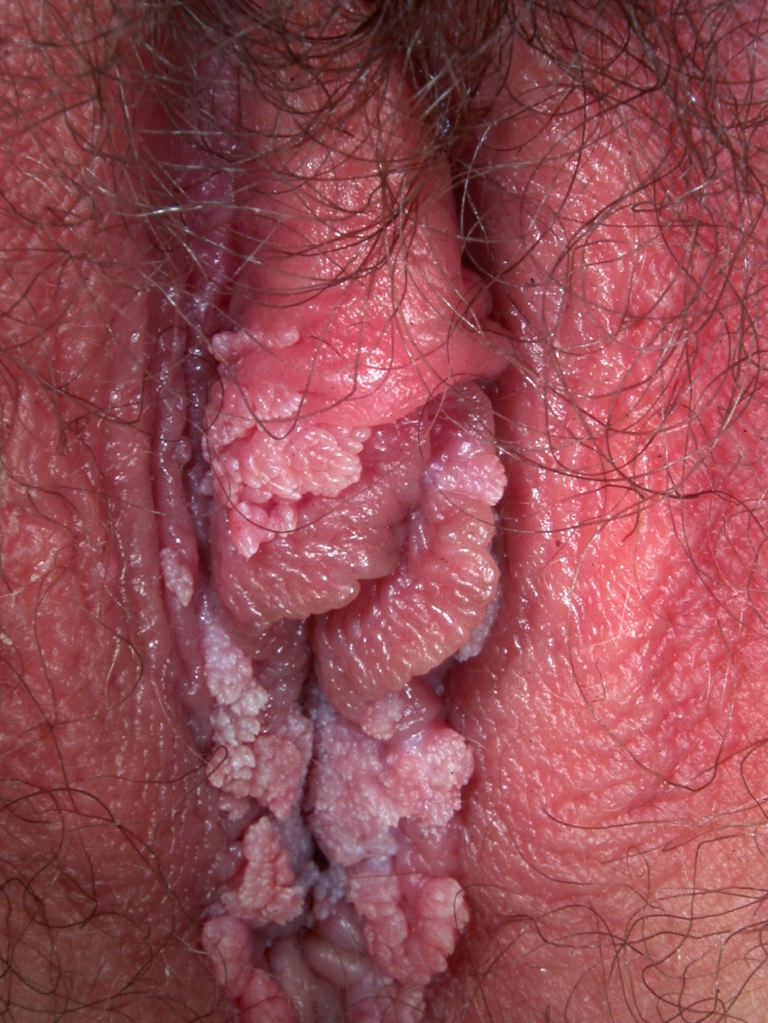
Female Genital Warts. Condylomata acuminata in females may be found in the anal or genital area, including the vagina or labia majora, as well as on the internal surfaces of the vagina and the anus.
(Click Image to Enlarge)
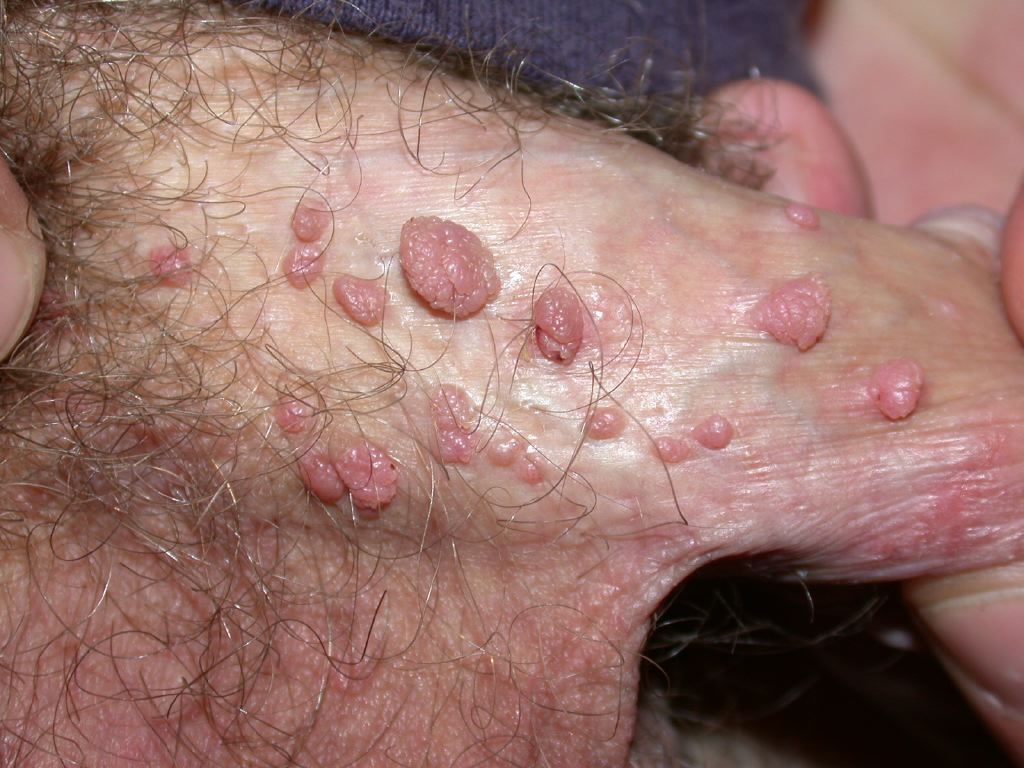
Male Genital Warts. Condylomata acuminata in males may be found in the anal or genital area, including the penile shaft, scrotum, and on the internal surfaces of the anus.
(Click Image to Enlarge)
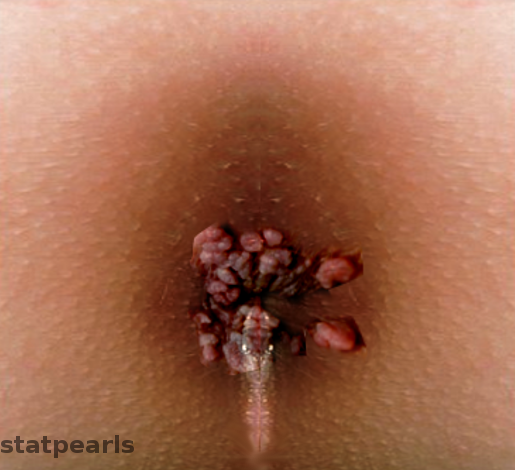
Condylomata Acuminata. Genital warts (condyloma acuminata) are the clinical manifestations of a sexually transmitted infection (STI) caused by some types of human papillomavirus (HPV).
Contributed by S Bhimji, MD
(Click Image to Enlarge)
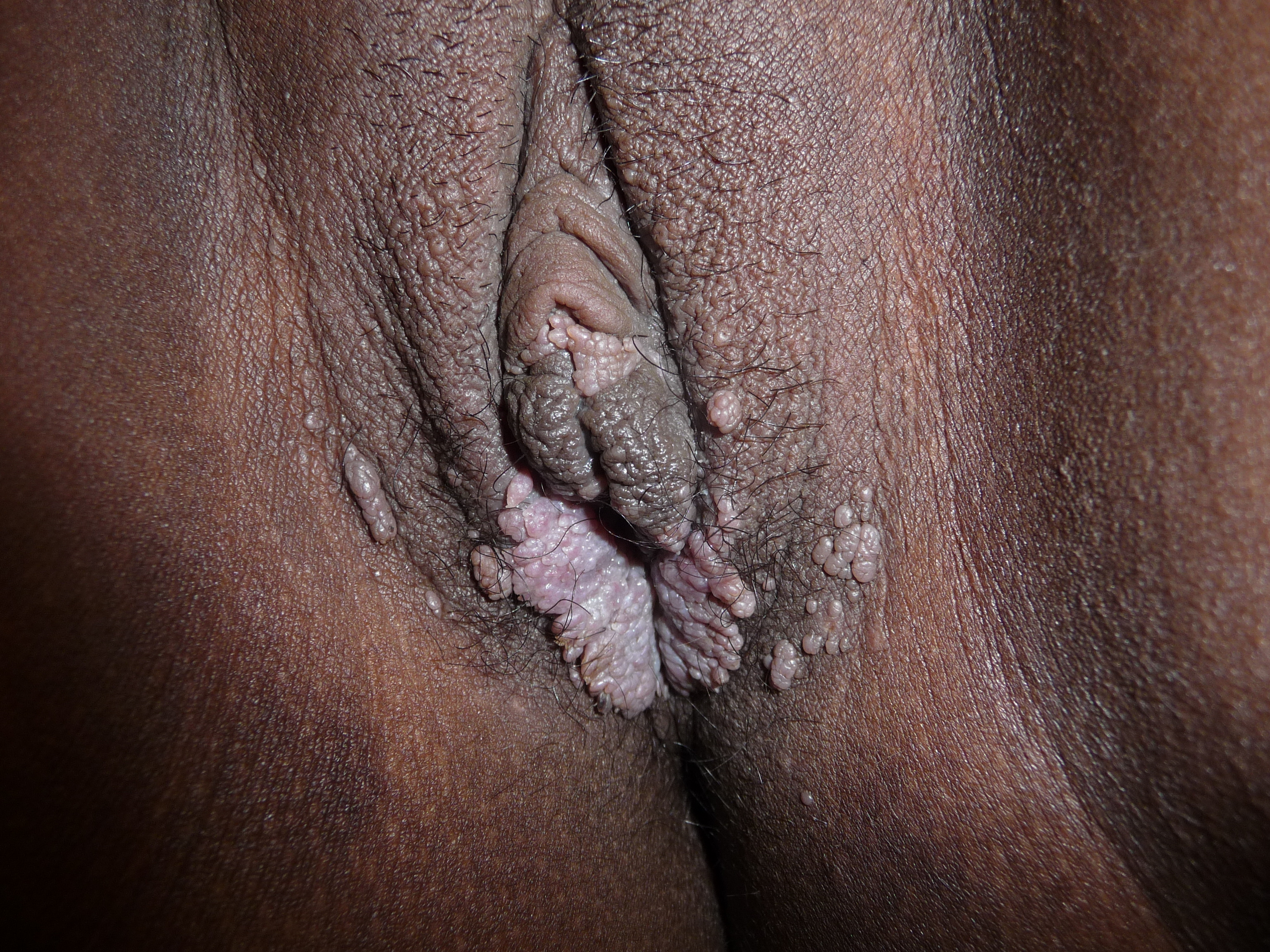
Labial Condyloma Acuminata. The diagnosis of condylomata acuminata is primarily made clinically, although a biopsy may be necessary for confirmation.
Contributed by S Verma, MBBS, DVD, FRCP, FAAD
References
Sendagorta-Cudós E, Burgos-Cibrián J, Rodríguez-Iglesias M. Genital infections due to the human papillomavirus. Enfermedades infecciosas y microbiologia clinica (English ed.). 2019 May:37(5):324-334. doi: 10.1016/j.eimc.2019.01.010. Epub 2019 Mar 8 [PubMed PMID: 30853139]
Yanofsky VR, Patel RV, Goldenberg G. Genital warts: a comprehensive review. The Journal of clinical and aesthetic dermatology. 2012 Jun:5(6):25-36 [PubMed PMID: 22768354]
Pennycook KB, McCready TA. Condyloma Acuminata(Archived). StatPearls. 2026 Jan:(): [PubMed PMID: 31613447]
Brianti P, De Flammineis E, Mercuri SR. Review of HPV-related diseases and cancers. The new microbiologica. 2017 Apr:40(2):80-85 [PubMed PMID: 28368072]
Iorga L, Dragos Marcu R, Cristina Diaconu C, Maria Alexandra Stanescu A, Pantea Stoian A, Liviu Dorel Mischianu D, Surcel M, Bungau S, Constantin T, Boda D, Fekete L, Gabriel Bratu O. Penile carcinoma and HPV infection (Review). Experimental and therapeutic medicine. 2020 Jul:20(1):91-96. doi: 10.3892/etm.2019.8181. Epub 2019 Nov 11 [PubMed PMID: 32518604]
Soheili M, Keyvani H, Soheili M, Nasseri S. Human papilloma virus: A review study of epidemiology, carcinogenesis, diagnostic methods, and treatment of all HPV-related cancers. Medical journal of the Islamic Republic of Iran. 2021:35():65. doi: 10.47176/mjiri.35.65. Epub 2021 May 22 [PubMed PMID: 34277502]
Roman BR, Aragones A. Epidemiology and incidence of HPV-related cancers of the head and neck. Journal of surgical oncology. 2021 Nov:124(6):920-922. doi: 10.1002/jso.26687. Epub 2021 Sep 23 [PubMed PMID: 34558067]
Bhatla N, Aoki D, Sharma DN, Sankaranarayanan R. Cancer of the cervix uteri: 2021 update. International journal of gynaecology and obstetrics: the official organ of the International Federation of Gynaecology and Obstetrics. 2021 Oct:155 Suppl 1(Suppl 1):28-44. doi: 10.1002/ijgo.13865. Epub [PubMed PMID: 34669203]
Bosch FX, Lorincz A, Muñoz N, Meijer CJ, Shah KV. The causal relation between human papillomavirus and cervical cancer. Journal of clinical pathology. 2002 Apr:55(4):244-65 [PubMed PMID: 11919208]
Sabatini ME, Chiocca S. Human papillomavirus as a driver of head and neck cancers. British journal of cancer. 2020 Feb:122(3):306-314. doi: 10.1038/s41416-019-0602-7. Epub 2019 Nov 11 [PubMed PMID: 31708575]
Spence T, Bruce J, Yip KW, Liu FF. HPV Associated Head and Neck Cancer. Cancers. 2016 Aug 5:8(8):. doi: 10.3390/cancers8080075. Epub 2016 Aug 5 [PubMed PMID: 27527216]
Malagón T, Louvanto K, Wissing M, Burchell AN, Tellier PP, El-Zein M, Coutlée F, Franco EL. Hand-to-genital and genital-to-genital transmission of human papillomaviruses between male and female sexual partners (HITCH): a prospective cohort study. The Lancet. Infectious diseases. 2019 Mar:19(3):317-326. doi: 10.1016/S1473-3099(18)30655-8. Epub 2019 Feb 10 [PubMed PMID: 30745276]
Dillner J. Some clear answers regarding transmission of genital human papillomavirus. The Lancet. Infectious diseases. 2019 Mar:19(3):227-228. doi: 10.1016/S1473-3099(19)30048-9. Epub 2019 Feb 10 [PubMed PMID: 30745275]
Ozaydin-Yavuz G, Bilgili SG, Guducuoglu H, Yavuz IH, Elibuyuk-Aksac S, Karadag AS. Determinants of high-risk human papillomavirus infection in anogenital warts. Postepy dermatologii i alergologii. 2019 Feb:36(1):76-81. doi: 10.5114/ada.2019.82915. Epub 2019 Feb 22 [PubMed PMID: 30858783]
Juckett G, Hartman-Adams H. Human papillomavirus: clinical manifestations and prevention. American family physician. 2010 Nov 15:82(10):1209-13 [PubMed PMID: 21121531]
Chesson HW, Dunne EF, Hariri S, Markowitz LE. The estimated lifetime probability of acquiring human papillomavirus in the United States. Sexually transmitted diseases. 2014 Nov:41(11):660-4. doi: 10.1097/OLQ.0000000000000193. Epub [PubMed PMID: 25299412]
Level 2 (mid-level) evidenceTao Y, Shao H, Zhang T, Pu J, Tang C. Factors Influencing Men's Attitudes toward HPV Vaccination in Males Included in the Chinese National Immunization Program. Vaccines. 2022 Jun 30:10(7):. doi: 10.3390/vaccines10071054. Epub 2022 Jun 30 [PubMed PMID: 35891217]
Han JJ, Beltran TH, Song JW, Klaric J, Choi YS. Prevalence of Genital Human Papillomavirus Infection and Human Papillomavirus Vaccination Rates Among US Adult Men: National Health and Nutrition Examination Survey (NHANES) 2013-2014. JAMA oncology. 2017 Jun 1:3(6):810-816. doi: 10.1001/jamaoncol.2016.6192. Epub [PubMed PMID: 28114440]
Level 3 (low-level) evidenceGargano JW, Unger ER, Liu G, Steinau M, Meites E, Dunne E, Markowitz LE. Prevalence of Genital Human Papillomavirus in Males, United States, 2013-2014. The Journal of infectious diseases. 2017 Apr 1:215(7):1070-1079. doi: 10.1093/infdis/jix057. Epub [PubMed PMID: 28170037]
Patel H, Wagner M, Singhal P, Kothari S. Systematic review of the incidence and prevalence of genital warts. BMC infectious diseases. 2013 Jan 25:13():39. doi: 10.1186/1471-2334-13-39. Epub 2013 Jan 25 [PubMed PMID: 23347441]
Level 1 (high-level) evidenceShort SL, Stockman DL, Wolinsky SM, Trupei MA, Moore J, Reichman RC. Comparative rates of sexually transmitted diseases among heterosexual men, homosexual men, and heterosexual women. Sexually transmitted diseases. 1984 Oct-Dec:11(4):271-4 [PubMed PMID: 6549226]
Level 2 (mid-level) evidenceLin L, Benard VB, Greek A, Hawkins NA, Roland KB, Saraiya M. Racial and ethnic differences in human papillomavirus positivity and risk factors among low-income women in Federally Qualified Health Centers in the United States. Preventive medicine. 2015 Dec:81():258-61. doi: 10.1016/j.ypmed.2015.08.027. Epub 2015 Sep 9 [PubMed PMID: 26361751]
Cofie LE, Xu L, Alligood B, Bhagat N, Maness S, Lee MH, Richman A. Nativity and racial/ethnic differences in HPV infection among U.S. adults, NHANES 2007-2016. Frontiers in public health. 2025:13():1604954. doi: 10.3389/fpubh.2025.1604954. Epub 2025 Sep 10 [PubMed PMID: 41000317]
Banister CE, Messersmith AR, Cai B, Spiryda LB, Glover SH, Pirisi L, Creek KE. Disparity in the persistence of high-risk human papillomavirus genotypes between African American and European American women of college age. The Journal of infectious diseases. 2015 Jan 1:211(1):100-8. doi: 10.1093/infdis/jiu394. Epub 2014 Jul 15 [PubMed PMID: 25028692]
Stratton KL, Culkin DJ. A Contemporary Review of HPV and Penile Cancer. Oncology (Williston Park, N.Y.). 2016 Mar:30(3):245-9 [PubMed PMID: 26984219]
Engelsgjerd JS, Leslie SW, LaGrange CA. Penile Cancer and Penile Intraepithelial Neoplasia. StatPearls. 2026 Jan:(): [PubMed PMID: 29763105]
Moreira ED Jr, Giuliano AR, Palefsky J, Flores CA, Goldstone S, Ferris D, Hillman RJ, Moi H, Stoler MH, Marshall B, Vuocolo S, Guris D, Haupt RM. Incidence, clearance, and disease progression of genital human papillomavirus infection in heterosexual men. The Journal of infectious diseases. 2014 Jul 15:210(2):192-9. doi: 10.1093/infdis/jiu077. Epub 2014 Feb 4 [PubMed PMID: 24495910]
Rodríguez AC, Schiffman M, Herrero R, Wacholder S, Hildesheim A, Castle PE, Solomon D, Burk R, Proyecto Epidemiológico Guanacaste Group. Rapid clearance of human papillomavirus and implications for clinical focus on persistent infections. Journal of the National Cancer Institute. 2008 Apr 2:100(7):513-7. doi: 10.1093/jnci/djn044. Epub 2008 Mar 25 [PubMed PMID: 18364507]
Bender ME. Concepts of wart regression. Archives of dermatology. 1986 Jun:122(6):644-7 [PubMed PMID: 3013101]
Jin SP, Jeon YK, Cho KH, Chung JH. A rapidly regressing wart following biopsy. Annals of dermatology. 2011 Feb:23(1):123-4. doi: 10.5021/ad.2011.23.1.123. Epub 2011 Feb 28 [PubMed PMID: 21738382]
Coleman N, Birley HD, Renton AM, Hanna NF, Ryait BK, Byrne M, Taylor-Robinson D, Stanley MA. Immunological events in regressing genital warts. American journal of clinical pathology. 1994 Dec:102(6):768-74 [PubMed PMID: 7801889]
Jin J, Li S, Huang H, Li J, Lyu Y, Ran Y, Chang H, Zhao X. Development of human papillomavirus and its detection methods (Review). Experimental and therapeutic medicine. 2024 Oct:28(4):382. doi: 10.3892/etm.2024.12671. Epub 2024 Jul 31 [PubMed PMID: 39161614]
Ren W, Jin Y, Shi L, Chen H, Zhang Z, Wang Y, Zhai T, Huang J. The necessity and challenges of human papillomavirus testing for men. Frontiers in cellular and infection microbiology. 2025:15():1563499. doi: 10.3389/fcimb.2025.1563499. Epub 2025 Jun 30 [PubMed PMID: 40661973]
Tao X, Zheng B, Yin F, Zeng Z, Li Z, Griffith CC, Luo B, Ding X, Zhou X, Zhao C. Polymerase Chain Reaction Human Papillomavirus (HPV) Detection and HPV Genotyping in Invasive Cervical Cancers With Prior Negative HC2 Test Results. American journal of clinical pathology. 2017 May 1:147(5):477-483. doi: 10.1093/ajcp/aqx027. Epub [PubMed PMID: 28340235]
Cubie HA, Seagar AL, McGoogan E, Whitehead J, Brass A, Arends MJ, Whitley MW. Rapid real time PCR to distinguish between high risk human papillomavirus types 16 and 18. Molecular pathology : MP. 2001 Feb:54(1):24-9 [PubMed PMID: 11212885]
Park B-M, Kim S, Choi J, Song Y, Park S. Accuracy of real-time PCR assays for human papillomavirus using urine samples: a systematic review and meta-analysis. Journal of clinical microbiology. 2025 May 14:63(5):e0135224. doi: 10.1128/jcm.01352-24. Epub 2025 Mar 31 [PubMed PMID: 40162806]
Level 1 (high-level) evidenceBurd EM. Human papillomavirus and cervical cancer. Clinical microbiology reviews. 2003 Jan:16(1):1-17 [PubMed PMID: 12525422]
Lisboa C, Santo I, Azevedo J, Azevedo L, Pista A, Dias C, Cunha MJ. High Prevalence of Human Papillomavirus on Anal and Oral Samples from Men and Women with External Anogenital Warts: The HERCOLES Study. Acta dermato-venereologica. 2019 May 1:99(6):557-563. doi: 10.2340/00015555-3136. Epub [PubMed PMID: 30723872]
Sichero L, Giuliano AR, Villa LL. Human Papillomavirus and Genital Disease in Men: What We Have Learned from the HIM Study. Acta cytologica. 2019:63(2):109-117. doi: 10.1159/000493737. Epub 2019 Feb 22 [PubMed PMID: 30799416]
Dempsey AF. Human papillomavirus: the usefulness of risk factors in determining who should get vaccinated. Reviews in obstetrics & gynecology. 2008 Summer:1(3):122-8 [PubMed PMID: 19015763]
Silins I, Ryd W, Strand A, Wadell G, Törnberg S, Hansson BG, Wang X, Arnheim L, Dahl V, Bremell D, Persson K, Dillner J, Rylander E. Chlamydia trachomatis infection and persistence of human papillomavirus. International journal of cancer. 2005 Aug 10:116(1):110-5 [PubMed PMID: 15756673]
Castle PE, Giuliano AR. Chapter 4: Genital tract infections, cervical inflammation, and antioxidant nutrients--assessing their roles as human papillomavirus cofactors. Journal of the National Cancer Institute. Monographs. 2003:(31):29-34 [PubMed PMID: 12807942]
Zhang P. Composite dietary antioxidant index and HPV infection from single and mixed associations to SHAP-interpreted machine learning predictions. Frontiers in nutrition. 2025:12():1619742. doi: 10.3389/fnut.2025.1619742. Epub 2025 Jul 31 [PubMed PMID: 40823022]
Siegel EM, Craft NE, Duarte-Franco E, Villa LL, Franco EL, Giuliano AR. Associations between serum carotenoids and tocopherols and type-specific HPV persistence: the Ludwig-McGill cohort study. International journal of cancer. 2007 Feb 1:120(3):672-80 [PubMed PMID: 17096322]
Strickler HD, Burk RD, Fazzari M, Anastos K, Minkoff H, Massad LS, Hall C, Bacon M, Levine AM, Watts DH, Silverberg MJ, Xue X, Schlecht NF, Melnick S, Palefsky JM. Natural history and possible reactivation of human papillomavirus in human immunodeficiency virus-positive women. Journal of the National Cancer Institute. 2005 Apr 20:97(8):577-86 [PubMed PMID: 15840880]
Giuliano AR, Siegel EM, Roe DJ, Ferreira S, Baggio ML, Galan L, Duarte-Franco E, Villa LL, Rohan TE, Marshall JR, Franco EL, Ludwig-McGill HPV Natural History Study. Dietary intake and risk of persistent human papillomavirus (HPV) infection: the Ludwig-McGill HPV Natural History Study. The Journal of infectious diseases. 2003 Nov 15:188(10):1508-16 [PubMed PMID: 14624376]
Sammarco ML, Del Riccio I, Tamburro M, Grasso GM, Ripabelli G. Type-specific persistence and associated risk factors of human papillomavirus infections in women living in central Italy. European journal of obstetrics, gynecology, and reproductive biology. 2013 Jun:168(2):222-6. doi: 10.1016/j.ejogrb.2013.01.012. Epub 2013 Feb 8 [PubMed PMID: 23395560]
Richardson H, Abrahamowicz M, Tellier PP, Kelsall G, du Berger R, Ferenczy A, Coutlée F, Franco EL. Modifiable risk factors associated with clearance of type-specific cervical human papillomavirus infections in a cohort of university students. Cancer epidemiology, biomarkers & prevention : a publication of the American Association for Cancer Research, cosponsored by the American Society of Preventive Oncology. 2005 May:14(5):1149-56 [PubMed PMID: 15894665]
Maciag PC, Schlecht NF, Souza PS, Rohan TE, Franco EL, Villa LL. Polymorphisms of the human leukocyte antigen DRB1 and DQB1 genes and the natural history of human papillomavirus infection. The Journal of infectious diseases. 2002 Jul 15:186(2):164-72 [PubMed PMID: 12134251]
Wang SS, Hildesheim A. Chapter 5: Viral and host factors in human papillomavirus persistence and progression. Journal of the National Cancer Institute. Monographs. 2003:(31):35-40 [PubMed PMID: 12807943]
Huber J, Mueller A, Sailer M, Regidor PA. Human papillomavirus persistence or clearance after infection in reproductive age. What is the status? Review of the literature and new data of a vaginal gel containing silicate dioxide, citric acid, and selenite. Women's health (London, England). 2021 Jan-Dec:17():17455065211020702. doi: 10.1177/17455065211020702. Epub [PubMed PMID: 34096424]
Hristamyan MA. Primary and Secondary Prophylaxis for Diseases Caused by Human Papillomavirus Infections. Journal of cancer prevention. 2025 Sep 30:30(3):146-153. doi: 10.15430/JCP.25.018. Epub 2025 Sep 5 [PubMed PMID: 41112418]
Soca Gallego L, Dominguez A, Parmar M. Human Papilloma Virus Vaccine. StatPearls. 2025 Jan:(): [PubMed PMID: 32965857]
Aksoy P, Gottschalk EY, Meneses PI. HPV entry into cells. Mutation research. Reviews in mutation research. 2017 Apr-Jun:772():13-22. doi: 10.1016/j.mrrev.2016.09.004. Epub 2016 Sep 23 [PubMed PMID: 28528686]
Leung AK, Barankin B, Leong KF, Hon KL. Penile warts: an update on their evaluation and management. Drugs in context. 2018:7():212563. doi: 10.7573/dic.212563. Epub 2018 Dec 19 [PubMed PMID: 30622585]
Costa-Silva M, Fernandes I, Rodrigues AG, Lisboa C. Anogenital warts in pediatric population. Anais brasileiros de dermatologia. 2017 Sep-Oct:92(5):675-681. doi: 10.1590/abd1806-4841.201756411. Epub [PubMed PMID: 29166505]
Bodily J, Laimins LA. Persistence of human papillomavirus infection: keys to malignant progression. Trends in microbiology. 2011 Jan:19(1):33-9. doi: 10.1016/j.tim.2010.10.002. Epub 2010 Nov 1 [PubMed PMID: 21050765]
Baba SK, Alblooshi SSE, Yaqoob R, Behl S, Al Saleem M, Rakha EA, Malik F, Singh M, Macha MA, Akhtar MK, Houry WA, Bhat AA, Al Menhali A, Zheng ZM, Mirza S. Human papilloma virus (HPV) mediated cancers: an insightful update. Journal of translational medicine. 2025 Apr 29:23(1):483. doi: 10.1186/s12967-025-06470-x. Epub 2025 Apr 29 [PubMed PMID: 40301924]
Balhara N, Yadav R, Ranga S, Ahuja P, Tanwar M. Understanding the HPV associated cancers: A comprehensive review. Molecular biology reports. 2024 Jun 14:51(1):743. doi: 10.1007/s11033-024-09680-6. Epub 2024 Jun 14 [PubMed PMID: 38874682]
Level 3 (low-level) evidenceJaniszewska J, Kostrzewska-Poczekaj M, Wierzbicka M, Brenner JC, Giefing M. HPV-driven oncogenesis-much more than the E6 and E7 oncoproteins. Journal of applied genetics. 2025 Feb:66(1):63-71. doi: 10.1007/s13353-024-00883-y. Epub 2024 Jun 22 [PubMed PMID: 38907809]
Sykes NL Jr. Condyloma acuminatum. International journal of dermatology. 1995 May:34(5):297-302 [PubMed PMID: 7541783]
Lacey CJ, Woodhall SC, Wikstrom A, Ross J. 2012 European guideline for the management of anogenital warts. Journal of the European Academy of Dermatology and Venereology : JEADV. 2013 Mar:27(3):e263-70. doi: 10.1111/j.1468-3083.2012.04493.x. Epub 2012 Mar 12 [PubMed PMID: 22409368]
Level 3 (low-level) evidenceKumar B, Gupta S. The acetowhite test in genital human papillomavirus infection in men: what does it add? Journal of the European Academy of Dermatology and Venereology : JEADV. 2001 Jan:15(1):27-9 [PubMed PMID: 11451317]
Wikström A, Hedblad MA, Johansson B, Kalantari M, Syrjänen S, Lindberg M, von Krogh G. The acetic acid test in evaluation of subclinical genital papillomavirus infection: a comparative study on penoscopy, histopathology, virology and scanning electron microscopy findings. Genitourinary medicine. 1992 Apr:68(2):90-9 [PubMed PMID: 1316310]
Level 2 (mid-level) evidenceDixit R, Bhavsar C, Marfatia YS. Laboratory diagnosis of human papillomavirus virus infection in female genital tract. Indian journal of sexually transmitted diseases and AIDS. 2011 Jan:32(1):50-2. doi: 10.4103/0253-7184.81257. Epub [PubMed PMID: 21799579]
Mustafa MS, Jindal AK, Singh P. Visual Inspection using Acetic Acid for Cervical Cancer in Low Resource Settings. Medical journal, Armed Forces India. 2010 Oct:66(4):382-4. doi: 10.1016/S0377-1237(10)80024-3. Epub 2011 Jul 21 [PubMed PMID: 27365747]
Bogale AL, Teklehaymanot T, Kassie GM, Medhin G, Ali JH, Belay NB. Performance of visual Inspection With Acetic Acid for Cervical Cancer Screening as Compared to Human papillomavirus Deoxyribonucleic acid Testing Among Women With HIV in Ethiopia: A Comparative Cross-sectional Study. Cancer control : journal of the Moffitt Cancer Center. 2022 Jan-Dec:29():10732748221114980. doi: 10.1177/10732748221114980. Epub [PubMed PMID: 35829643]
Level 2 (mid-level) evidenceSauvaget C, Fayette JM, Muwonge R, Wesley R, Sankaranarayanan R. Accuracy of visual inspection with acetic acid for cervical cancer screening. International journal of gynaecology and obstetrics: the official organ of the International Federation of Gynaecology and Obstetrics. 2011 Apr:113(1):14-24. doi: 10.1016/j.ijgo.2010.10.012. Epub 2011 Jan 22 [PubMed PMID: 21257169]
Maw R, HPV Special Interest Group of BASHH. Anogenital warts. Sexually transmitted infections. 2006 Dec:82 Suppl 4(Suppl 4):iv40-1 [PubMed PMID: 17151053]
Zayko MO, Velilla RE, Shurbaji MS. Condyloma Acuminata Presenting as Isolated Papillary Lesions in the Prostatic Urethra. The American journal of case reports. 2018 Dec 22:19():1522-1525. doi: 10.12659/AJCR.911682. Epub 2018 Dec 22 [PubMed PMID: 30578409]
Level 3 (low-level) evidenceIskander M, Patrick N, Mistry R. Intra urethral human papillomavirus related warts following urinary tract instrumentation. Urology journal. 2014 May 6:11(2):1491 [PubMed PMID: 24807766]
Level 3 (low-level) evidenceBeutner KR, Reitano MV, Richwald GA, Wiley DJ. External genital warts: report of the American Medical Association Consensus Conference. AMA Expert Panel on External Genital Warts. Clinical infectious diseases : an official publication of the Infectious Diseases Society of America. 1998 Oct:27(4):796-806 [PubMed PMID: 9798036]
Level 3 (low-level) evidenceWiley DJ, Douglas J, Beutner K, Cox T, Fife K, Moscicki AB, Fukumoto L. External genital warts: diagnosis, treatment, and prevention. Clinical infectious diseases : an official publication of the Infectious Diseases Society of America. 2002 Oct 15:35(Suppl 2):S210-24 [PubMed PMID: 12353208]
Workowski KA, Bolan GA, Centers for Disease Control and Prevention. Sexually transmitted diseases treatment guidelines, 2015. MMWR. Recommendations and reports : Morbidity and mortality weekly report. Recommendations and reports. 2015 Jun 5:64(RR-03):1-137 [PubMed PMID: 26042815]
Gravitt PE. The known unknowns of HPV natural history. The Journal of clinical investigation. 2011 Dec:121(12):4593-9. doi: 10.1172/JCI57149. Epub 2011 Dec 1 [PubMed PMID: 22133884]
Shanmugasundaram S, You J. Targeting Persistent Human Papillomavirus Infection. Viruses. 2017 Aug 18:9(8):. doi: 10.3390/v9080229. Epub 2017 Aug 18 [PubMed PMID: 28820433]
Jensen KE, Schmiedel S, Norrild B, Frederiksen K, Iftner T, Kjaer SK. Parity as a cofactor for high-grade cervical disease among women with persistent human papillomavirus infection: a 13-year follow-up. British journal of cancer. 2013 Jan 15:108(1):234-9. doi: 10.1038/bjc.2012.513. Epub 2012 Nov 20 [PubMed PMID: 23169283]
Castellsagué X, Muñoz N. Chapter 3: Cofactors in human papillomavirus carcinogenesis--role of parity, oral contraceptives, and tobacco smoking. Journal of the National Cancer Institute. Monographs. 2003:(31):20-8 [PubMed PMID: 12807941]
Yetimalar H, Kasap B, Cukurova K, Yildiz A, Keklik A, Soylu F. Cofactors in human papillomavirus infection and cervical carcinogenesis. Archives of gynecology and obstetrics. 2012 Mar:285(3):805-10. doi: 10.1007/s00404-011-2034-3. Epub 2011 Aug 10 [PubMed PMID: 21830008]
Arnheim Dahlström L, Andersson K, Luostarinen T, Thoresen S, Ögmundsdottír H, Tryggvadottír L, Wiklund F, Skare GB, Eklund C, Sjölin K, Jellum E, Koskela P, Wadell G, Lehtinen M, Dillner J. Prospective seroepidemiologic study of human papillomavirus and other risk factors in cervical cancer. Cancer epidemiology, biomarkers & prevention : a publication of the American Association for Cancer Research, cosponsored by the American Society of Preventive Oncology. 2011 Dec:20(12):2541-50. doi: 10.1158/1055-9965.EPI-11-0761. Epub 2011 Oct 12 [PubMed PMID: 21994401]
International Collaboration of Epidemiological Studies of Cervical Cancer, Appleby P, Beral V, Berrington de González A, Colin D, Franceschi S, Goodhill A, Green J, Peto J, Plummer M, Sweetland S. Cervical cancer and hormonal contraceptives: collaborative reanalysis of individual data for 16,573 women with cervical cancer and 35,509 women without cervical cancer from 24 epidemiological studies. Lancet (London, England). 2007 Nov 10:370(9599):1609-21 [PubMed PMID: 17993361]
Level 2 (mid-level) evidenceShi W, Yao X, Fu Y, Wang Y. Interferon-α and its effects on cancer cell apoptosis. Oncology letters. 2022 Jul:24(1):235. doi: 10.3892/ol.2022.13355. Epub 2022 May 30 [PubMed PMID: 35720476]
Level 3 (low-level) evidenceCha L, Berry CM, Nolan D, Castley A, Fernandez S, French MA. Interferon-alpha, immune activation and immune dysfunction in treated HIV infection. Clinical & translational immunology. 2014 Feb:3(2):e10. doi: 10.1038/cti.2014.1. Epub 2014 Feb 28 [PubMed PMID: 25505958]
Jang DI, Lee AH, Shin HY, Song HR, Park JH, Kang TB, Lee SR, Yang SH. The Role of Tumor Necrosis Factor Alpha (TNF-α) in Autoimmune Disease and Current TNF-α Inhibitors in Therapeutics. International journal of molecular sciences. 2021 Mar 8:22(5):. doi: 10.3390/ijms22052719. Epub 2021 Mar 8 [PubMed PMID: 33800290]
Beutner KR, Tyring SK, Trofatter KF Jr, Douglas JM Jr, Spruance S, Owens ML, Fox TL, Hougham AJ, Schmitt KA. Imiquimod, a patient-applied immune-response modifier for treatment of external genital warts. Antimicrobial agents and chemotherapy. 1998 Apr:42(4):789-94 [PubMed PMID: 9559784]
Bertolotti A, Ferdynus C, Milpied B, Dupin N, Huiart L, Derancourt C. Local Management of Anogenital Warts in Non-Immunocompromised Adults: A Network Meta-Analysis of Randomized Controlled Trials. Dermatology and therapy. 2020 Apr:10(2):249-262. doi: 10.1007/s13555-020-00357-z. Epub 2020 Feb 6 [PubMed PMID: 32030564]
Level 1 (high-level) evidenceUrosevic M, Maier T, Benninghoff B, Slade H, Burg G, Dummer R. Mechanisms underlying imiquimod-induced regression of basal cell carcinoma in vivo. Archives of dermatology. 2003 Oct:139(10):1325-32 [PubMed PMID: 14568837]
Brown TJ, Yen-Moore A, Tyring SK. An overview of sexually transmitted diseases. Part II. Journal of the American Academy of Dermatology. 1999 Nov:41(5 Pt 1):661-77; quiz 678-80 [PubMed PMID: 10534627]
Level 3 (low-level) evidenceSeverson J, Evans TY, Lee P, Chan T, Arany I, Tyring SK. Human papillomavirus infections: epidemiology, pathogenesis, and therapy. Journal of cutaneous medicine and surgery. 2001 Jan-Feb:5(1):43-60 [PubMed PMID: 11281434]
Gotovtseva EP, Kapadia AS, Smolensky MH, Lairson DR. Optimal frequency of imiquimod (aldara) 5% cream for the treatment of external genital warts in immunocompetent adults: a meta-analysis. Sexually transmitted diseases. 2008 Apr:35(4):346-51. doi: 10.1097/OLQ.0b013e31815ea8d1. Epub [PubMed PMID: 18360317]
Level 1 (high-level) evidenceCzelusta AJ, Evans T, Arany I, Tyring SK. A guide to immunotherapy of genital warts: focus on interferon and imiquimod. BioDrugs : clinical immunotherapeutics, biopharmaceuticals and gene therapy. 1999 May:11(5):319-32 [PubMed PMID: 18031142]
Berman B, Wolf J. The role of imiquimod 3.75% cream in the treatment of external genital warts. Skin therapy letter. 2012 Apr:17(4):5-7 [PubMed PMID: 22491804]
Level 3 (low-level) evidenceRosen T, Nelson A, Ault K. Imiquimod cream 2.5% and 3.75% applied once daily to treat external genital warts in men. Cutis. 2015 Oct:96(4):277-82 [PubMed PMID: 26682290]
Oren-Shabtai M, Snast I, Lapidoth M, Sherman S, Noyman Y, Mimouni D, Hodak E, Levi A. Topical and Systemic Retinoids for the Treatment of Genital Warts: A Systematic Review and Meta-Analysis. Dermatology (Basel, Switzerland). 2021:237(3):389-395. doi: 10.1159/000511398. Epub 2020 Dec 4 [PubMed PMID: 33279886]
Level 1 (high-level) evidenceSivasankari M, Adityan MS. Oral isotretinoin as first-line systemic therapy in a case of extensive genital warts. Indian journal of sexually transmitted diseases and AIDS. 2022 Jan-Jun:43(1):70-72. doi: 10.4103/ijstd.ijstd_121_20. Epub 2022 Jun 7 [PubMed PMID: 35846534]
Level 3 (low-level) evidenceJha AK, Sonthalia S, Ganguly S. Oral isotretinoin as an adjunctive treatment for recurrent genital warts. Journal of the American Academy of Dermatology. 2018 Feb:78(2):e35-e36. doi: 10.1016/j.jaad.2017.08.057. Epub [PubMed PMID: 29332721]
Nickle SB, Peterson N, Peterson M. Updated Physician's Guide to the Off-label Uses of Oral Isotretinoin. The Journal of clinical and aesthetic dermatology. 2014 Apr:7(4):22-34 [PubMed PMID: 24765227]
Yew YW, Pan JY. Complete remission of recalcitrant genital warts with a combination approach of surgical debulking and oral isotretinoin in a patient with systemic lupus erythematosus. Dermatologic therapy. 2014 Mar-Apr:27(2):79-82. doi: 10.1111/dth.12059. Epub 2013 May 21 [PubMed PMID: 24703263]
Level 3 (low-level) evidenceCardamakis E, Kotoulas IG, Relakis K, Metalinos K, Michopoulos J, Stathopoulos E, Mantouvalos H. Comparative study of systemic interferon alfa-2a plus isotretinoin versus isotretinoin in the treatment of recurrent condyloma acuminatum in men. Urology. 1995 May:45(5):857-60 [PubMed PMID: 7747375]
Level 2 (mid-level) evidenceErkek E, Basar H, Bozdogan O, Emeksiz MC. Giant condyloma acuminata of Buschke-Löwenstein: successful treatment with a combination of surgical excision, oral acitretin and topical imiquimod. Clinical and experimental dermatology. 2009 Apr:34(3):366-8. doi: 10.1111/j.1365-2230.2008.02938.x. Epub 2008 Oct 30 [PubMed PMID: 19175780]
Sladden MJ, Harman KE. What is the chance of a normal pregnancy in a woman whose fetus has been exposed to isotretinoin? Archives of dermatology. 2007 Sep:143(9):1187-8 [PubMed PMID: 17875883]
Revuz J. [Isotretinoin and pregnancy]. Annales de dermatologie et de venereologie. 2000 Oct:127(10):797-8 [PubMed PMID: 11060380]
Centers for Disease Control (CDC). Isotretinoin--a newly recognized human teratogen. MMWR. Morbidity and mortality weekly report. 1984 Apr 6:33(13):171-3 [PubMed PMID: 6422237]
Perlman SE, Leach EE, Dominguez L, Ruszkowski AM, Rudy SJ. "Be smart, be safe, be sure". The revised Pregnancy Prevention Program for women on isotretinoin. The Journal of reproductive medicine. 2001 Feb:46(2 Suppl):179-85 [PubMed PMID: 11255826]
Paredes-Bhushan V, Rezaee ME, Chavez DR. Isotretinoin induced urethritis: A case report & review of the literature. Urology case reports. 2020 Mar:29():101109. doi: 10.1016/j.eucr.2019.101109. Epub 2019 Dec 23 [PubMed PMID: 31908966]
Level 3 (low-level) evidenceNofal A, Fawzy MM, Eldeeb F, Nofal H, El-Hawary EE. High versus low dose oral isotretinoin in the treatment of cutaneous and genital warts. Dermatologic therapy. 2022 Dec:35(12):e15964. doi: 10.1111/dth.15964. Epub 2022 Nov 11 [PubMed PMID: 36346210]
Olguín-García MG, Peralta-Pedrero ML, Morales-Sánchez MA, Vega-Memije E, Lucio VMB. A Double-Blind Randomized Study of Two Doses of Oral Isotretinoin in the Treatment of Recalcitrant Facial Flat Warts: Impact on Quality of Life, Anxiety, and Depression. Health science reports. 2025 Apr:8(4):e70684. doi: 10.1002/hsr2.70684. Epub 2025 Apr 21 [PubMed PMID: 40260029]
Level 1 (high-level) evidenceOren-Shabtai M, Snast I, Noyman Y, Lapidoth M, Sherman S, Mimouni D, Hodak E, Levi A. Topical and systemic retinoids for the treatment of cutaneous viral warts: A systematic review and meta-analysis. Dermatologic therapy. 2021 Jan:34(1):e14637. doi: 10.1111/dth.14637. Epub 2020 Dec 15 [PubMed PMID: 33278051]
Level 1 (high-level) evidenceMurray ML, Meadows J, Doré CJ, Copas AJ, Haddow LJ, Lacey C, Jit M, Soldan K, Bennett K, Tetlow M, Nathan M, Gilson R. Human papillomavirus infection: protocol for a randomised controlled trial of imiquimod cream (5%) versus podophyllotoxin cream (0.15%), in combination with quadrivalent human papillomavirus or control vaccination in the treatment and prevention of recurrence of anogenital warts (HIPvac trial). BMC medical research methodology. 2018 Nov 6:18(1):125. doi: 10.1186/s12874-018-0581-z. Epub 2018 Nov 6 [PubMed PMID: 30400777]
Level 1 (high-level) evidenceTyring S, Edwards L, Cherry LK, Ramsdell WM, Kotner S, Greenberg MD, Vance JC, Barnum G, Dromgoole SH, Killey FP, Toter T. Safety and efficacy of 0.5% podofilox gel in the treatment of anogenital warts. Archives of dermatology. 1998 Jan:134(1):33-8 [PubMed PMID: 9449907]
Level 1 (high-level) evidencePetersen CS, Weismann K. Quercetin and kaempherol: an argument against the use of podophyllin? Genitourinary medicine. 1995 Apr:71(2):92-3 [PubMed PMID: 7744421]
Tatti S, Swinehart JM, Thielert C, Tawfik H, Mescheder A, Beutner KR. Sinecatechins, a defined green tea extract, in the treatment of external anogenital warts: a randomized controlled trial. Obstetrics and gynecology. 2008 Jun:111(6):1371-9. doi: 10.1097/AOG.0b013e3181719b60. Epub [PubMed PMID: 18515521]
Level 1 (high-level) evidenceSchöfer H, Tatti S, Lynde CW, Skerlev M, Hercogová J, Rotaru M, Ballesteros J, Calzavara-Pinton P. Sinecatechins and imiquimod as proactive sequential therapy of external genital and perianal warts in adults. International journal of STD & AIDS. 2017 Dec:28(14):1433-1443. doi: 10.1177/0956462417711622. Epub 2017 May 31 [PubMed PMID: 28566057]
Godley MJ, Bradbeer CS, Gellan M, Thin RN. Cryotherapy compared with trichloroacetic acid in treating genital warts. Genitourinary medicine. 1987 Dec:63(6):390-2 [PubMed PMID: 3323028]
Level 1 (high-level) evidenceFichman Y, Levi A, Hodak E, Halachmi S, Mazor S, Wolf D, Caplan O, Lapidoth M. Efficacy of pulsed dye laser treatment for common warts is not influenced by the causative HPV type: a prospective study. Lasers in medical science. 2018 May:33(4):773-777. doi: 10.1007/s10103-017-2413-5. Epub 2017 Dec 7 [PubMed PMID: 29218494]
Iranmanesh B, Khalili M, Zartab H, Amiri R, Aflatoonian M. Laser therapy in cutaneous and genital warts: A review article. Dermatologic therapy. 2021 Jan:34(1):e14671. doi: 10.1111/dth.14671. Epub 2020 Dec 29 [PubMed PMID: 33314577]
He Y, Gao W, Cai F, Zhu Y, Zuo R, Liu H, Gao Y. Successful treatment of refractory oral condyloma acuminatum through laser-photodynamic therapy combination. Photodiagnosis and photodynamic therapy. 2024 Apr:46():104005. doi: 10.1016/j.pdpdt.2024.104005. Epub 2024 Feb 17 [PubMed PMID: 38373470]
Qu Z, Cui G, Wang Z, Liu M, Lin X. Combination of biopsy forceps excision and ALA-PDT for the treatment of cervical condylomata acuminata. Photodiagnosis and photodynamic therapy. 2024 Apr:46():104002. doi: 10.1016/j.pdpdt.2024.104002. Epub 2024 Feb 15 [PubMed PMID: 38367921]
Xie F, Yu HS, Wang R, Wang D, Li YM, Wen HY, Du JB, Ba W, Meng XF, Yang J, Lin BW, Li HJ, Li CX, Zhang LG, Fang XD, Zhao H. Photodynamic Therapy for Genital Warts Causes Activation of Local Immunity. Journal of cutaneous medicine and surgery. 2019 Jul/Aug:23(4):370-379. doi: 10.1177/1203475419838548. Epub 2019 Apr 22 [PubMed PMID: 31010295]
Tu P, Zhang H, Zheng H, Gu H, Xu J, Tao J, Wang H, Zhu X, Wang X. 5-Aminolevulinic photodynamic therapy versus carbon dioxide laser therapy for small genital warts: A multicenter, randomized, open-label trial. Journal of the American Academy of Dermatology. 2021 Mar:84(3):779-781. doi: 10.1016/j.jaad.2019.07.073. Epub 2019 Jul 30 [PubMed PMID: 31374308]
Level 1 (high-level) evidenceKechichian E, Helou E, Sarkis J, Hayek C, Labaki C, Nemr E, Tomb R. The place of 5-aminolaevulinic acid-photodynamic therapy in the treatment landscape of urethral warts: A systematic review. Photodiagnosis and photodynamic therapy. 2021 Mar:33():102204. doi: 10.1016/j.pdpdt.2021.102204. Epub 2021 Jan 30 [PubMed PMID: 33529745]
Level 1 (high-level) evidenceZhang H, Shi L, Zhang Y, Wang P, Zhang G, Cao Y, Zhou Z, Wang X. Modified photodynamic therapy to minimize pain in the treatment of condylomata acuminata: A prospective, randomized, self-controlled study. Photodiagnosis and photodynamic therapy. 2020 Dec:32():101915. doi: 10.1016/j.pdpdt.2020.101915. Epub 2020 Jul 4 [PubMed PMID: 32634656]
Level 1 (high-level) evidenceLi Pomi F, D'Aloja A, Di Tano A, Vaccaro M, Borgia F. Pediatric genital warts successfully treated with photodynamic therapy. Dermatology reports. 2025 May 23:17(2):. doi: 10.4081/dr.2024.9979. Epub 2024 Nov 4 [PubMed PMID: 39969056]
Mestrovic T, Sviben M, Zember S, Drenjancevic D. Topical medication as an initial therapeutic option for protruding and non-protruding condylomata acuminata of the distal urethra. BMJ case reports. 2021 Sep 21:14(9):. doi: 10.1136/bcr-2021-243618. Epub 2021 Sep 21 [PubMed PMID: 34548297]
Level 3 (low-level) evidenceScheinfeld N. Update on the treatment of genital warts. Dermatology online journal. 2013 Jun 15:19(6):18559 [PubMed PMID: 24011309]
Level 3 (low-level) evidencePrayogo SA, Andrew H, Cong S, Intaran KDA. Photodynamic therapy in the treatment of condyloma acuminata: A systematic review of clinical trials. International journal of STD & AIDS. 2023 Feb:34(2):76-86. doi: 10.1177/09564624221138351. Epub 2022 Nov 24 [PubMed PMID: 36420589]
Level 1 (high-level) evidenceBatista CS, Atallah AN, Saconato H, da Silva EM. 5-FU for genital warts in non-immunocompromised individuals. The Cochrane database of systematic reviews. 2010 Apr 14:2010(4):CD006562. doi: 10.1002/14651858.CD006562.pub2. Epub 2010 Apr 14 [PubMed PMID: 20393949]
Level 1 (high-level) evidenceMalvasi A, Tinelli A, Buia A, De Luca GF. Possible long-term teratogenic effect of isotretinoin in pregnancy. European review for medical and pharmacological sciences. 2009 Sep-Oct:13(5):393-6 [PubMed PMID: 19961047]
Choi JS, Koren G, Nulman I. Pregnancy and isotretinoin therapy. CMAJ : Canadian Medical Association journal = journal de l'Association medicale canadienne. 2013 Mar 19:185(5):411-3. doi: 10.1503/cmaj.120729. Epub 2013 Jan 7 [PubMed PMID: 23296582]
Belgam Syed SY, Lipoff JB, Chatterjee K. Acrochordon. StatPearls. 2025 Jan:(): [PubMed PMID: 28846244]
Konstantinou MP, Krasagakis K. Benign Familial Pemphigus (Hailey-Hailey Disease). StatPearls. 2025 Jan:(): [PubMed PMID: 36256785]
Chua RF, Pico J. Dermal Melanocytosis. StatPearls. 2025 Jan:(): [PubMed PMID: 32491340]
O'Mahony C, Gomberg M, Skerlev M, Alraddadi A, de Las Heras-Alonso ME, Majewski S, Nicolaidou E, Serdaroğlu S, Kutlubay Z, Tawara M, Stary A, Al Hammadi A, Cusini M. Position statement for the diagnosis and management of anogenital warts. Journal of the European Academy of Dermatology and Venereology : JEADV. 2019 Jun:33(6):1006-1019. doi: 10.1111/jdv.15570. Epub 2019 Apr 10 [PubMed PMID: 30968980]
Irshad U, Puckett Y. Giant Condylomata Acuminata of Buschke and Lowenstein. StatPearls. 2025 Jan:(): [PubMed PMID: 32809549]
Tudor ME, Al Aboud AM, Leslie SW, Gossman W. Syphilis. StatPearls. 2026 Jan:(): [PubMed PMID: 30521201]
Saleh D, Yarrarapu SNS, Sharma S. Herpes Simplex Type 1. StatPearls. 2026 Jan:(): [PubMed PMID: 29489260]
Mathew Jr J, Sapra A. Herpes Simplex Type 2. StatPearls. 2025 Jan:(): [PubMed PMID: 32119314]
Arnold DL, Krishnamurthy K. Lichen Planus. StatPearls. 2025 Jan:(): [PubMed PMID: 30252382]
Ramos Santillan V, Kaur A, Menon G, Babiker HM, Cagir B. Anal Carcinoma. StatPearls. 2026 Jan:(): [PubMed PMID: 28722921]
Fowler JR, Maani EV, Dunton CJ, Gasalberti DP, Jack BW. Cervical Cancer. StatPearls. 2025 Jan:(): [PubMed PMID: 28613745]
Jamal Z, Anjum F. Oropharyngeal Squamous Cell Carcinoma. StatPearls. 2025 Jan:(): [PubMed PMID: 33085415]
Kaltenecker B, Dunton CJ, Tikaria R. Vaginal Cancer. StatPearls. 2025 Jan:(): [PubMed PMID: 32644552]
Capria A, Tahir N, Fatehi M. Vulvar Cancer. StatPearls. 2025 Jan:(): [PubMed PMID: 33620867]
Kumar G, Stern J, Daley SF. Molluscum Contagiosum. StatPearls. 2025 Jan:(): [PubMed PMID: 28722927]
Macri A, Kwan E, Tanner LS. Cutaneous Angiofibroma. StatPearls. 2025 Jan:(): [PubMed PMID: 29494077]
Love LW, Badri T, Ramsey ML. Pearly Penile Papule. StatPearls. 2025 Jan:(): [PubMed PMID: 28723057]
Weir CB, St.Hilaire NJ. Epidermal Inclusion Cyst. StatPearls. 2026 Jan:(): [PubMed PMID: 30335343]
Irizarry L, Velasquez J, Wray AA. Chancroid. StatPearls. 2026 Jan:(): [PubMed PMID: 30020703]
Santiago-Wickey JN, Crosby B. Granuloma Inguinale. StatPearls. 2025 Jan:(): [PubMed PMID: 30020678]
Leslie SW, Vinod J. Lymphogranuloma Venereum Infection. StatPearls. 2025 Jan:(): [PubMed PMID: 31335003]
Garcia MR, Leslie SW, Wray AA. Sexually Transmitted Infections. StatPearls. 2026 Jan:(): [PubMed PMID: 32809643]
Roett MA. Genital Ulcers: Differential Diagnosis and Management. American family physician. 2020 Mar 15:101(6):355-361 [PubMed PMID: 32163252]
Pandey A, Sonthalia S. Skin Tags. StatPearls. 2025 Jan:(): [PubMed PMID: 31613504]
Le C, Thomas A, Lui F. Neurofibromatosis. StatPearls. 2025 Jan:(): [PubMed PMID: 29083784]
Czelusta A, Yen-Moore A, Van der Straten M, Carrasco D, Tyring SK. An overview of sexually transmitted diseases. Part III. Sexually transmitted diseases in HIV-infected patients. Journal of the American Academy of Dermatology. 2000 Sep:43(3):409-32; quiz 433-6 [PubMed PMID: 10954653]
Level 3 (low-level) evidenceNebesio CL, Mirowski GW, Chuang TY. Human papillomavirus: clinical significance and malignant potential. International journal of dermatology. 2001 Jun:40(6):373-9 [PubMed PMID: 11589741]
Orlando G, Fasolo MM, Beretta R, Merli S, Cargnel A. Combined surgery and cidofovir is an effective treatment for genital warts in HIV-infected patients. AIDS (London, England). 2002 Feb 15:16(3):447-50 [PubMed PMID: 11834957]
Level 1 (high-level) evidenceMeites E, Szilagyi PG, Chesson HW, Unger ER, Romero JR, Markowitz LE. Human Papillomavirus Vaccination for Adults: Updated Recommendations of the Advisory Committee on Immunization Practices. MMWR. Morbidity and mortality weekly report. 2019 Aug 16:68(32):698-702. doi: 10.15585/mmwr.mm6832a3. Epub 2019 Aug 16 [PubMed PMID: 31415491]
Kaliterna V, Barisic Z. Genital human papillomavirus infections. Frontiers in bioscience (Landmark edition). 2018 Mar 1:23(9):1587-1611 [PubMed PMID: 29293452]
Garland SM, Kjaer SK, Muñoz N, Block SL, Brown DR, DiNubile MJ, Lindsay BR, Kuter BJ, Perez G, Dominiak-Felden G, Saah AJ, Drury R, Das R, Velicer C. Impact and Effectiveness of the Quadrivalent Human Papillomavirus Vaccine: A Systematic Review of 10 Years of Real-world Experience. Clinical infectious diseases : an official publication of the Infectious Diseases Society of America. 2016 Aug 15:63(4):519-27. doi: 10.1093/cid/ciw354. Epub 2016 May 26 [PubMed PMID: 27230391]
Level 1 (high-level) evidenceDrolet M, Bénard É, Boily MC, Ali H, Baandrup L, Bauer H, Beddows S, Brisson J, Brotherton JM, Cummings T, Donovan B, Fairley CK, Flagg EW, Johnson AM, Kahn JA, Kavanagh K, Kjaer SK, Kliewer EV, Lemieux-Mellouki P, Markowitz L, Mboup A, Mesher D, Niccolai L, Oliphant J, Pollock KG, Soldan K, Sonnenberg P, Tabrizi SN, Tanton C, Brisson M. Population-level impact and herd effects following human papillomavirus vaccination programmes: a systematic review and meta-analysis. The Lancet. Infectious diseases. 2015 May:15(5):565-80. doi: 10.1016/S1473-3099(14)71073-4. Epub 2015 Mar 3 [PubMed PMID: 25744474]
Level 1 (high-level) evidenceArbyn M, Xu L, Simoens C, Martin-Hirsch PP. Prophylactic vaccination against human papillomaviruses to prevent cervical cancer and its precursors. The Cochrane database of systematic reviews. 2018 May 9:5(5):CD009069. doi: 10.1002/14651858.CD009069.pub3. Epub 2018 May 9 [PubMed PMID: 29740819]
Level 1 (high-level) evidenceMariani L, Vici P, Suligoi B, Checcucci-Lisi G, Drury R. Early direct and indirect impact of quadrivalent HPV (4HPV) vaccine on genital warts: a systematic review. Advances in therapy. 2015 Jan:32(1):10-30. doi: 10.1007/s12325-015-0178-4. Epub 2015 Jan 27 [PubMed PMID: 25620536]
Level 1 (high-level) evidencePei J, Shu T, Wu C, Li M, Xu M, Jiang M, Zhu C. Impact of human papillomavirus vaccine on cervical cancer epidemic: Evidence from the surveillance, epidemiology, and end results program. Frontiers in public health. 2022:10():998174. doi: 10.3389/fpubh.2022.998174. Epub 2023 Jan 6 [PubMed PMID: 36684904]
Guo T, Eisele DW, Fakhry C. The potential impact of prophylactic human papillomavirus vaccination on oropharyngeal cancer. Cancer. 2016 Aug 1:122(15):2313-23. doi: 10.1002/cncr.29992. Epub 2016 May 6 [PubMed PMID: 27152637]
Mattis A, Beydoun H, Dobrydneva Y, Ganjoo R. Investigating the Efficacy of HPV Vaccines in Preventing Cervical Cancer from 2006 to 2018 in the US: A SEER Data Set Analysis. Reviews on recent clinical trials. 2023:18(3):214-222. doi: 10.2174/1574887118666230410093715. Epub [PubMed PMID: 37046192]
Guo F, Cofie LE, Berenson AB. Cervical Cancer Incidence in Young U.S. Females After Human Papillomavirus Vaccine Introduction. American journal of preventive medicine. 2018 Aug:55(2):197-204. doi: 10.1016/j.amepre.2018.03.013. Epub 2018 May 30 [PubMed PMID: 29859731]
Rafael TS, Rotman J, Brouwer OR, van der Poel HG, Mom CH, Kenter GG, de Gruijl TD, Jordanova ES. Immunotherapeutic Approaches for the Treatment of HPV-Associated (Pre-)Cancer of the Cervix, Vulva and Penis. Journal of clinical medicine. 2022 Feb 19:11(4):. doi: 10.3390/jcm11041101. Epub 2022 Feb 19 [PubMed PMID: 35207374]
Kamolratanakul S, Pitisuttithum P. Human Papillomavirus Vaccine Efficacy and Effectiveness against Cancer. Vaccines. 2021 Nov 30:9(12):. doi: 10.3390/vaccines9121413. Epub 2021 Nov 30 [PubMed PMID: 34960159]
Elst L, Albersen M. HPV Vaccination: Does It Have a Role in Preventing Penile Cancer and Other Preneoplastic Lesions? Seminars in oncology nursing. 2022 Jun:38(3):151284. doi: 10.1016/j.soncn.2022.151284. Epub 2022 May 14 [PubMed PMID: 35577640]
Cheng L, Wang Y, Du J. Human Papillomavirus Vaccines: An Updated Review. Vaccines. 2020 Jul 16:8(3):. doi: 10.3390/vaccines8030391. Epub 2020 Jul 16 [PubMed PMID: 32708759]
Giuliano AR, Tortolero-Luna G, Ferrer E, Burchell AN, de Sanjose S, Kjaer SK, Muñoz N, Schiffman M, Bosch FX. Epidemiology of human papillomavirus infection in men, cancers other than cervical and benign conditions. Vaccine. 2008 Aug 19:26 Suppl 10(0 10):K17-28. doi: 10.1016/j.vaccine.2008.06.021. Epub [PubMed PMID: 18847554]
Berman TA, Schiller JT. Human papillomavirus in cervical cancer and oropharyngeal cancer: One cause, two diseases. Cancer. 2017 Jun 15:123(12):2219-2229. doi: 10.1002/cncr.30588. Epub 2017 Mar 27 [PubMed PMID: 28346680]
Gravitt PE, Winer RL. Natural History of HPV Infection across the Lifespan: Role of Viral Latency. Viruses. 2017 Sep 21:9(10):. doi: 10.3390/v9100267. Epub 2017 Sep 21 [PubMed PMID: 28934151]
Hornor G. Ano-genital warts in children: Sexual abuse or not? Journal of pediatric health care : official publication of National Association of Pediatric Nurse Associates & Practitioners. 2004 Jul-Aug:18(4):165-70 [PubMed PMID: 15224040]
Bussen S, Sütterlin M, Schmidt U, Bussen D. Anogenital Warts in Childhood - Always a Marker for Sexual Abuse? Geburtshilfe und Frauenheilkunde. 2012 Jan:72(1):43-48 [PubMed PMID: 25253903]
Psomiadou V, Iavazzo C, Douligeris A, Fotiou A, Prodromidou A, Blontzos N, Karavioti E, Vorgias G. An Alternative Treatment for Vaginal Cuff Wart: a Case Report. Acta medica (Hradec Kralove). 2020:63(1):49-51. doi: 10.14712/18059694.2020.15. Epub [PubMed PMID: 32422116]
Level 3 (low-level) evidenceHosseini MS, Sadeqi A, Heidari Z, Boozari M. A Comprehensive Review of Biologically Active Natural Products on Human Papillomavirus (HPV) at a Glance. Phytotherapy research : PTR. 2025 May:39(5):2262-2290. doi: 10.1002/ptr.8444. Epub 2025 Mar 24 [PubMed PMID: 40127892]
Level 2 (mid-level) evidenceCusini M, Micali G, Lacarrubba F, Puviani M, Barcella A, Milani M. Efficacy and tolerability of nitric-zinc complex in the treatment of external genital warts and "difficult-to-treat" warts: a "proof of concept", prospective, multicentre, open study. Giornale italiano di dermatologia e venereologia : organo ufficiale, Societa italiana di dermatologia e sifilografia. 2015 Dec:150(6):643-8 [PubMed PMID: 26513041]
Pontini P, Mastorino L, Gaspari V, Granger C, Ramoni S, Delmonte S, Evangelista V, Cusini M. A Multicentre, Randomised Clinical Trial to Compare a Topical Nitrizinc(®) Complex Solution Versus Cryotherapy for the Treatment of Anogenital Warts. Dermatology and therapy. 2020 Oct:10(5):1063-1073. doi: 10.1007/s13555-020-00430-7. Epub 2020 Jul 30 [PubMed PMID: 32734366]
Level 1 (high-level) evidenceHernandez BY, Shvetsov YB, Goodman MT, Wilkens LR, Thompson PJ, Zhu X, Tom J, Ning L. Genital and extra-genital warts increase the risk of asymptomatic genital human papillomavirus infection in men. Sexually transmitted infections. 2011 Aug:87(5):391-5. doi: 10.1136/sti.2010.048876. Epub 2011 May 20 [PubMed PMID: 21602516]
Pamnani SJ, Sudenga SL, Rollison DE, Ingles DJ, Abrahamsen M, Villa LL, Lazcano-Ponce E, Huang Y, Borenstein A, Giuliano AR. Recurrence of Genital Infections With 9 Human Papillomavirus (HPV) Vaccine Types (6, 11, 16, 18, 31, 33, 45, 52, and 58) Among Men in the HPV Infection in Men (HIM) Study. The Journal of infectious diseases. 2018 Sep 8:218(8):1219-1227. doi: 10.1093/infdis/jiy300. Epub [PubMed PMID: 29800222]
Hernandez BY, Wilkens LR, Zhu X, Thompson P, McDuffie K, Shvetsov YB, Kamemoto LE, Killeen J, Ning L, Goodman MT. Transmission of human papillomavirus in heterosexual couples. Emerging infectious diseases. 2008 Jun:14(6):888-94. doi: 10.3201/eid1406.070616. Epub [PubMed PMID: 18507898]
Trottier H, Ferreira S, Thomann P, Costa MC, Sobrinho JS, Prado JC, Rohan TE, Villa LL, Franco EL. Human papillomavirus infection and reinfection in adult women: the role of sexual activity and natural immunity. Cancer research. 2010 Nov 1:70(21):8569-77. doi: 10.1158/0008-5472.CAN-10-0621. Epub 2010 Oct 26 [PubMed PMID: 20978200]
Yorulmaz A, Tamer E, Kulcu Cakmak S. Smoking: Is it a Risk Factor for Common Warts? Current health sciences journal. 2020 Jan-Mar:46(1):5-10. doi: 10.12865/CHSJ.46.01.01. Epub 2020 Mar 31 [PubMed PMID: 32637159]
Kaderli R, Schnüriger B, Brügger LE. The impact of smoking on HPV infection and the development of anogenital warts. International journal of colorectal disease. 2014 Aug:29(8):899-908. doi: 10.1007/s00384-014-1922-y. Epub 2014 Jun 17 [PubMed PMID: 24935346]
Level 1 (high-level) evidenceVaccarella S, Herrero R, Snijders PJ, Dai M, Thomas JO, Hieu NT, Ferreccio C, Matos E, Posso H, de Sanjosé S, Shin HR, Sukvirach S, Lazcano-Ponce E, Muñoz N, Meijer CJ, Franceschi S, IARC HPV Prevalence Surveys (IHPS) Study Group. Smoking and human papillomavirus infection: pooled analysis of the International Agency for Research on Cancer HPV Prevalence Surveys. International journal of epidemiology. 2008 Jun:37(3):536-46. doi: 10.1093/ije/dyn033. Epub 2008 Mar 3 [PubMed PMID: 18316350]
Level 3 (low-level) evidenceHariri S, Warner L. Condom use and human papillomavirus in men. The Journal of infectious diseases. 2013 Aug 1:208(3):367-9. doi: 10.1093/infdis/jit193. Epub 2013 May 3 [PubMed PMID: 23644282]
Pierce Campbell CM, Lin HY, Fulp W, Papenfuss MR, Salmerón JJ, Quiterio MM, Lazcano-Ponce E, Villa LL, Giuliano AR. Consistent condom use reduces the genital human papillomavirus burden among high-risk men: the HPV infection in men study. The Journal of infectious diseases. 2013 Aug 1:208(3):373-84. doi: 10.1093/infdis/jit191. Epub 2013 May 3 [PubMed PMID: 23644283]
Winer RL, Hughes JP, Feng Q, O'Reilly S, Kiviat NB, Holmes KK, Koutsky LA. Condom use and the risk of genital human papillomavirus infection in young women. The New England journal of medicine. 2006 Jun 22:354(25):2645-54 [PubMed PMID: 16790697]
Nielson CM, Harris RB, Nyitray AG, Dunne EF, Stone KM, Giuliano AR. Consistent condom use is associated with lower prevalence of human papillomavirus infection in men. The Journal of infectious diseases. 2010 Aug 15:202(3):445-51. doi: 10.1086/653708. Epub [PubMed PMID: 20569156]
Manhart LE, Koutsky LA. Do condoms prevent genital HPV infection, external genital warts, or cervical neoplasia? A meta-analysis. Sexually transmitted diseases. 2002 Nov:29(11):725-35 [PubMed PMID: 12438912]
Level 1 (high-level) evidenceMuffarrej D, Khattab E, Najjar R. Successful treatment of genital warts with cidofovir cream in a pediatric patient with Fanconi anemia. Journal of oncology pharmacy practice : official publication of the International Society of Oncology Pharmacy Practitioners. 2020 Jul:26(5):1234-1236. doi: 10.1177/1078155219886924. Epub 2019 Nov 13 [PubMed PMID: 31718429]
Hengge UR, Tietze G. Successful treatment of recalcitrant condyloma with topical cidofovir. Sexually transmitted infections. 2000 Apr:76(2):143 [PubMed PMID: 10858720]
Level 3 (low-level) evidenceSchürmann D, Bergmann F, Temmesfeld-Wollbrück B, Grobusch MP, Suttorp N. Topical cidofovir is effective in treating extensive penile condylomata acuminata. AIDS (London, England). 2000 May 26:14(8):1075-6 [PubMed PMID: 10853999]
Level 3 (low-level) evidenceBlaizot R, Dutkiewicz AS, Guillet S, Pham-Ledard A, Beylot-Barry M. Intravenous cidofovir for diffuse genital warts in the setting of multifactorial immunosuppression. Journal of the European Academy of Dermatology and Venereology : JEADV. 2017 Mar:31(3):e162-e163. doi: 10.1111/jdv.13880. Epub 2016 Aug 16 [PubMed PMID: 27527116]
Luria L, Cardoza-Favarato G. Human Papillomavirus. StatPearls. 2024 Jan:(): [PubMed PMID: 28846281]