 Tools
Tools
 Duloxetine
Indications
FDA-approved Indications
- Major Depressive Disorder (MDD): Approved in 2004 for adults with unipolar depression. Of note, it is not approved for bipolar depression.
- Generalized Anxiety Disorder (GAD): Approved for adults and the pediatric population (age ≥7 years).[1]
- Diabetic Peripheral Neuropathic Pain (DPNP): meta-analysis found that duloxetine has efficacy comparable to that of other serotonin-norepinephrine reuptake inhibitors (SNRIs) and selective serotonin reuptake inhibitors (SSRIs) for the treatment of major depressive disorder.[1]
- Fibromyalgia: Duloxetine is indicated for the treatment of fibromyalgia in adults and pediatric patients aged 13 years and older.[1]
- Chronic Musculoskeletal Pain: Duloxetine is indicated for the treatment of chronic musculoskeletal pain, including chronic low back pain and osteoarthritis-related pain in adults.[1][2]
Off-label Uses
- Chemotherapy-Induced Peripheral Neuropathy (CIPN): The American Society of Clinical Oncology (ASCO) guidelines recognize duloxetine as the only agent with evidence supporting its use in the treatment of painful CIPN.[3][4]
- Irritable Bowel Syndrome (IBS): Emerging evidence suggests that duloxetine may improve abdominal pain and other symptoms of irritable bowel syndrome, particularly in patients with comorbid anxiety or depression. Emerging evidence demonstrates the potential of duloxetine as a gut-brain axis modulator.[5]
- Stress Urinary Incontinence (SUI): Few countries have approved duloxetine for increasing external urethral sphincter tone in SUI. However, its use for this purpose in the US is off-label to date.[1]
- Primary Headaches: Chart reviews and open-label trials have reported favorable outcomes in migraine and chronic daily headaches.[6][7]
- Obsessive-Compulsive Disorder (OCD): Emerging evidence, particularly in otherwise treatment-resistant cases.[8]
Off-label Uses as Combinations
Combination therapy with duloxetine and pregabalin has been investigated for patients with diabetic peripheral neuropathic pain (DPNP) who have an inadequate response to monotherapy.[9] Duloxetine has been evaluated in combination with mebeverine or NSAIDs in clinical studies of irritable bowel syndrome.[5] Additionally, combination therapy with duloxetine and alpha-lipoic acid has been evaluated as a treatment option for diabetic peripheral neuropathic pain.[5]
Mechanism of Action
Register For Free And Read The Full Article
 Search engine and full access to all medical articles
- 10 free questions in your specialty
- Free CME/CE Activities
- Free daily question in your email
- Save favorite articles to your dashboard
- Emails offering discounts
Learn more about a Subscription to StatPearls Point-of-Care
Mechanism of Action
Duloxetine primarily acts as a serotonin-norepinephrine reuptake inhibitor (SNRI) that exerts its therapeutic effects through the following complementary mechanisms:
- Dual Reuptake Inhibition: It selectively inhibits the serotonin transporter (SERT) and norepinephrine transporter (NET) within the central nervous system (CNS). This effectively inhibits the reuptake (reabsorption) of serotonin (5-HT) and norepinephrine (NE), increasing their concentrations in the synaptic cleft. Serotonin helps regulate mood, sleep, and emotional stability, whereas norepinephrine helps maintain alertness, energy levels, and the psychological response to stress. The resulting increase in synaptic serotonin and norepinephrine is believed to contribute to its antidepressant and anxiolytic effects.[10][5]
- Prefrontal Dopamine Modulation: Inhibition of NET by duloxetine may modestly increase extracellular dopamine concentrations in the prefrontal cortex, which may contribute to improvements in attention and executive function associated with depression.[5]
- Analgesic action: Several chronic pain conditions, including fibromyalgia and diabetic peripheral neuropathic pain, are associated with central sensitization and impaired descending inhibitory pain pathways.[11] Duloxetine increases serotonin and norepinephrine concentrations in the spinal cord, thereby enhancing descending inhibitory pain pathways that modulate nociceptive transmission within the dorsal horn.[10][9]
Of note, duloxetine has minimal affinity for muscarinic (cholinergic), α1-adrenergic, and histaminergic (H1), dopamine D2, opioid, glutamate, and GABA receptors. This provides it a comparatively favorable tolerability profile relative to tricyclic antidepressants (TCAs).
Pharmacokinetics
Duloxetine is orally well-absorbed with an absolute bioavailability ranging between 30-80% (mean 50%). However, due to acid-lability, it requires enteric-coated formulations or delayed-release capsules to prevent degradation in the stomach. The peak plasma concentration (Cmax) is typically reached by 6 hours. Food delays the time to peak plasma concentration by approximately 4 hours but does not significantly affect the extent of absorption. The drug is highly protein-bound (>90%) and has a high volume of distribution (Vd = 1640 L).[10]
It undergoes extensive hepatic metabolism by Cytochrome P450 (CYP) 1A2 and 2D6, resulting in inactive metabolites. Notably, duloxetine can moderately inhibit CYP2D6. It is finally eliminated through urine (70%) and feces (20%). The elimination half-life (t½) is 10-12 hours, allowing steady-state concentration to be reached within 3 days.[10]
Administration
Available Dosage Forms and Strength
Duloxetine is most commonly administered as delayed-release (enteric-coated) capsules. It can be taken with or without food. As per the manufacturer's label, duloxetine should not be crushed or chewed. However, studies have shown that duloxetine remains stable for up to 2 hours after opening and can be sprinkled onto apple juice or apple sauce.
The delayed-release generic capsules are available in strengths of 20 mg, 30 mg, 40 mg, 60 mg, 80 mg, 90 mg, and 120 mg. Delayed-release capsule sprinkles (Drizalma Spinkles) are available in 20 mg, 30 mg, 40 mg, and 60 mg strengths.
Since 2024, multiple manufacturers have recalled batches of duloxetine due to traces of the impurity, N-nitroso-duloxetine (a potential carcinogen). These were FDA Class II (temporary/reversible health risk) recalls with no implication on the efficacy of the original drug.[12]
Adult dosing
MDD: The recommended starting dose is 40 mg/day (20 mg twice daily) or 60 mg once daily. In patients who may benefit from improved tolerability, treatment may be initiated at 30 mg once daily for 1 week, then increased to 60 mg/day. The recommended maintenance dose is 60 mg/day. Although doses up to 120 mg/day have been studied, no additional therapeutic benefit has been demonstrated beyond 60 mg/day
One meta-analysis demonstrated that duloxetine has efficacy comparable to that of other serotonin-norepinephrine reuptake inhibitors (SNRIs) and selective serotonin reuptake inhibitors (SSRIs) for the treatment of major depressive disorder.[13]
GAD: 60 mg/day can be administered initially, depending on patient tolerance. For the elderly and pediatric population, and in patients who may benefit from improved tolerability, treatment may be initiated at 30 mg once daily for 1 week, then increased to 60 mg/day. Weekly increments of 20-30 mg may be used. Usual target dose: 60 mg/day. Maximum dose: 120 mg/day.
DPNP: The recommended dose is 60 mg once daily. For patients who may benefit from improved tolerability, therapy may be initiated at 30 mg once daily for 1 week, then increased to 60 mg/day. Doses exceeding 60 mg/day have not been shown to provide additional clinical benefit.
Fibromyalgia and Musculoskeletal Pain: Initiated at 30 mg/day for 1 week, then increased to 60 mg/day as tolerated. Maximum dose: 60 mg/day.[14]
Discontinuation: Abrupt discontinuation of duloxetine should be avoided. When possible, the dose should be tapered gradually over at least 2 weeks to minimize discontinuation symptoms, although a longer taper may be appropriate depending on the dose, duration of therapy, and individual patient response.[15]
Specific Patient Populations
Patients with hepatic impairment: Duloxetine is generally not recommended for patients with chronic liver disease or cirrhosis because of the increased risk of hepatotoxicity.
Patients with renal impairment: Duloxetine should generally be avoided in those with severe renal impairment (estimated GFR <30 mL/min/1.73 m²) because systemic exposure increases.
Pediatric considerations: Duloxetine is not approved for the treatment of major depressive disorder, diabetic peripheral neuropathic pain, or chronic musculoskeletal pain in pediatric patients because its safety and efficacy have not been established for these indications.
GAD (7–17 years): The recommended starting dose is 30 mg once daily for at least 2 weeks, after which the dose may be increased to 60 mg once daily, as clinically indicated. The usual maintenance dose ranges from 30 to 60 mg/day. If additional benefit is needed and the medication is well tolerated, the dose may be increased in 30-mg increments. The highest dose evaluated in clinical trials was 120 mg/day.
FM (13-17 years): The recommended starting dose is 30 mg once daily for at least 2 weeks, after which the dose may be increased to 60 mg once daily, as clinically indicated.
Pregnancy considerations: A pregnancy exposure registry is available to collect information on pregnancy outcomes in women exposed to antidepressants, including duloxetine, during pregnancy. Healthcare professionals are encouraged to enroll eligible patients in the National Pregnancy Registry for Antidepressants by telephone at 1-866-961-2388 or via the registry website at https://womensmentalhealth.org/research/pregnancyregistry/.
Available evidence from postmarketing and published studies has not demonstrated a consistent association between duloxetine exposure during pregnancy and an increased risk of major congenital malformations or other adverse developmental outcomes. However, use of duloxetine during the month preceding delivery may be associated with an increased risk of postpartum hemorrhage. Clinicians should also consider the potential maternal and fetal risks of untreated depression or fibromyalgia during pregnancy, as well as the potential effects of serotonin-norepinephrine reuptake inhibitor (SNRI) exposure when making treatment decisions.
Pregnant individuals with fibromyalgia have a higher rate of adverse maternal and neonatal incidents, including preterm premature rupture of membranes, small-for-gestational-age infants, preterm delivery, placental abruption, intrauterine growth restriction, and venous thromboembolism. Whether these complications are attributable to fibromyalgia itself or to associated maternal comorbidities has not been clearly established.
Neonates exposed to duloxetine or other serotonin-norepinephrine reuptake inhibitors (SNRIs) or selective serotonin reuptake inhibitors (SSRIs) during late third-trimester pregnancy may experience complications requiring respiratory support, prolonged hospitalization, or enteral tube feeding. Clinical symptoms occur shortly after birth and may include temperature instability, respiratory distress, vomiting, seizures, cyanosis, apnea, feeding difficulties, hypertonia, hypoglycemia, hypotonia, hyperreflexia, jitteriness, tremor, irritability, and persistent crying. These findings may reflect the pharmacologic effects of in utero SNRI/SSRI exposure, neonatal withdrawal (discontinuation syndrome), or, in some cases, serotonin syndrome.
Breastfeeding considerations: Duloxetine is excreted in breast milk, but levels are low (Relative Infant Dose <5%).[10] Case reports have described sedation, feeding difficulties, and suboptimal weight gain in breastfed infants whose mothers were receiving duloxetine. Regardless, an infant breastfed by a woman receiving duloxetine requires monitoring for behavior changes, sleep disturbance, feeding changes, growth, and neurodevelopment.[16]
Elderly: SNRIs have correlations with clinically significant hyponatremia in elderly adults who are already at greater risk of this adverse reaction. Caution is necessary when prescribing duloxetine in the geriatric population. However, dosage adjustment based on the patient's age is not required. The maximum recommended dose for these patients for GAD is 60 mg daily. The maximum studied dose was 120 mg. If the dose needs to be increased, increase by 30 mg daily.
Additionally, the American Geriatrics Society (AGS) recommends avoiding use in elderly patients with a history of falls or bone fractures due to increased risk of ataxia and orthostatic hypotension.[17]
Adverse Effects
Many adverse effects due to duloxetine can be linked to its dual reuptake inhibition. These reactions are mild to moderate, and some may diminish with continued treatment.
Common Adverse Effects
- Gastrointestinal: Nausea (most common; ~18%), dry mouth (~10%), decreased appetite, abdominal pain, and altered bowel habits (constipation or diarrhea).
- CNS: Drowsiness (~6%), dizziness, fatigue, insomnia, tremors, and headaches.
- Sexual function: Decreased libido, orgasmic difficulties, and erectile dysfunction (~4%).
- Others: Excessive sweating, weakness, and weight loss.[1]
- Pediatric patients: decreased weight, decreased appetite, nausea, vomiting, fatigue, and diarrhea
In clinical trials, the high rates of dropouts among participants are attributed to these side effects, particularly nausea.
Serious Adverse Effects
- Manic Switch: Antidepressant-induced activation of mania is uncommon in MDD, but may occur in patients with unrecognized or known bipolar disorder.[15]
- Hepatotoxicity: Higher risk in chronic liver disease and alcohol dependence. Hepatic failure, including fatal cases, has been reported. Duloxetine should generally be avoided in patients with substantial alcohol use or chronic liver disease[13]
- Cardiovascular effects: Hypertension, tachycardia, myocardial ischemia, orthostatic hypotension, and syncope.[10][1]
- Hyponatremia/Syndrome of inappropriate antidiuretic hormone secretion (SIADH): Higher risk in elderly patients and those receiving thiazide diuretics, requiring close monitoring of serum sodium.
- Serotonin syndrome: The risk is higher if coadministered with other serotonergic drugs.[10] It is a life-threatening condition, characterized by clonus, tremors, hyperreflexia, agitation, diaphoresis, hypertonia, and/or hyperthermia.[18]
Discontinuation Syndrome
Abrupt discontinuation of duloxetine can cause discontinuation symptoms in nearly 45% of patients, with a greater risk among those who were receiving higher doses. It is characterized by dizziness (most common), nausea, headache, and paresthesia. Often, patients complain of "electric shock" or "crawling" sensations on the scalp or body. Most symptoms are self-limiting and resolve within a week. A gradual taper over ≥2 weeks, based on the dose, treatment duration, and patient response, can help minimize discontinuation syndrome.[15]
Contraindications
FDA Boxed Warning
Suicidal thoughts and behavior: Increased risk in children, adolescents, and young adults (under age 25), particularly during the initiation phase.
Warnings
Hepatotoxicity: Duloxetine has been associated with serious liver injury, including rare cases of hepatic failure; discontinue treatment if clinically significant hepatic dysfunction develops and avoid use in patients with cirrhosis, chronic liver disease, or substantial alcohol consumption.
Orthostatic hypotension, falls, and syncope: Duloxetine may cause orthostatic hypotension, falls, or syncope, particularly during treatment initiation or dose escalation. Dose reduction or discontinuation should be considered if these occur.
Serotonin syndrome: Duloxetine can precipitate serotonin syndrome, especially when combined with other serotonergic medications, although cases have also been reported with monotherapy, and treatment should be discontinued if this condition is suspected.
Increased risk of bleeding: Duloxetine may increase the likelihood of bleeding, particularly when used concomitantly with anticoagulants, antiplatelet agents, or NSAIDs.
Severe skin reactions: Serious cutaneous adverse reactions, including Stevens-Johnson syndrome and erythema multiforme, have been reported and warrant immediate discontinuation at the first sign of a suspected drug-related rash or hypersensitivity reaction.
Activation of mania or hypomania: Patients should be evaluated for a personal or family history of bipolar disorder before initiating duloxetine because antidepressant therapy may precipitate mania or hypomania.
Angle-closure glaucoma: Duloxetine may trigger angle-closure glaucoma in susceptible individuals with anatomically narrow anterior chamber angles who have not undergone iridectomy. It is contraindicated in uncontrolled narrow-angle glaucoma.
Seizures: Duloxetine should be used cautiously in patients with a history of seizure disorders because it may lower the seizure threshold.
Blood pressure increases: Blood pressure should be assessed before starting duloxetine and monitored periodically during treatment because clinically significant elevations may occur.
Hyponatremia: Duloxetine may cause hyponatremia, often associated with syndrome of inappropriate antidiuretic hormone secretion (SIADH), and discontinuation should be considered if symptomatic hyponatremia develops.
Glucose control in diabetes: Duloxetine treatment has been associated with modest increases in fasting blood glucose and HbA1c in patients with diabetic peripheral neuropathic pain.
Delayed gastric emptying: Duloxetine should be administered cautiously in patients with conditions that delay gastric emptying because altered drug absorption may occur.
Sexual dysfunction: Duloxetine may impair sexual function.
Severe renal impairment: Contraindicated in end-stage renal disease (ESRD) or with creatinine clearance <30 mL/min.
Drug-Drug Interactions
CYP1A2 Inhibitors, such as fluvoxamine and ciprofloxacin, can increase blood levels of duloxetine and can potentially lead to toxicity. Hence, concomitant administration with strong CYP1A2 inhibitors should be avoided because of the potential for clinically significant drug interactions.
Duloxetine can inhibit the metabolism of CYP2D6 Substrates, such as TCAs, risperidone, metoprolol, flecainide, propafenone, and thioridazine, increasing the risk of their side effects. Coadministration of duloxetine with thioridazine is contraindicated due to the potential for increased thioridazine exposure and a consequent risk of serious ventricular arrhythmias and sudden death. Concomitant administration of duloxetine with tricyclic antidepressants may necessitate monitoring serum TCA concentrations and reducing the TCA dosage to minimize toxicity.
Duloxetine may reduce the efficacy of tamoxifen in treating ER-positive breast cancer.[10]
Serotonergic agents, such as MAOIs, triptans, tramadol, and linezolid, can potentially precipitate serotonin syndrome if used concomitantly with duloxetine.[10][18]
Combined use of anticoagulants and antiplatelets (aspirin, warfarin, and NSAIDs) can increase bleeding tendencies.[10]
Monitoring
Clinicians should check blood pressure and vital signs before initiating therapy and routinely thereafter. Monitor for changes in suicidal ideation, especially when starting treatment, altering the dose, and after discontinuation of therapy. Monitor for worsening depression, emergent suicidal ideation, behavioral activation (including mania or hypomania), and discontinuation symptoms if therapy is reduced or stopped. Patients should be monitored for abnormal bleeding as duloxetine may impair platelet aggregation. Caution should be exercised when using anticoagulants or antiplatelet medications along with duloxetine therapy.
Laboratory monitoring: Renal function, hepatic enzymes, fasting blood glucose, and HbA1c (in patients with diabetes) should be evaluated when clinically indicated or in patients with relevant risk factors. Serum sodium should be assessed in patients with risk factors (in older adults, patients receiving diuretics, and those who are volume depleted) or symptoms suggestive of hyponatremia.[13]
Patients should be advised to seek prompt medical evaluation if they develop symptoms suggestive of liver injury, including pruritus, right upper quadrant abdominal pain, dark urine, or jaundice, while receiving duloxetine.
Toxicity
Overdose Toxicity: Duloxetine overdose commonly produces somnolence, tachycardia, vomiting, and serotonin syndrome. Less frequently, patients may develop hypertension, seizures, coma, or hypotension. Management is primarily supportive because no specific antidote is available. There is no antidote to duloxetine overdose.[19]
Fatal Toxicity: Fatal outcomes have been reported with overdoses as low as 1000 mg. Most fatal cases involve concomitant use of multiple medications, such as benzodiazepines and antipsychotics.[20]
Serotonin Syndrome: It is a life-threatening condition that occurs when duloxetine is used in combination with other serotonergic agents. The clinical diagnostic criteria recognize at least 1 of the following:
- Spontaneous clonus
- Induced clonus + agitation/diaphoresis
- Ocular clonus + agitation/diaphoresis
- Tremor + hyperreflexia
- Hypertonia + hyperthermia (>38°C) + inducible/ocular clonus
Management: If the patient is presenting with serotonin syndrome, cyproheptadine and cooling measures may be considered. Patients with abnormal vital signs need monitoring, and severe cases may warrant ICU care.[18] Management of duloxetine overdose is primarily supportive and should focus on maintaining airway patency, adequate oxygenation and ventilation, and continuous monitoring of cardiac rhythm and vital signs. Gastric lavage may be considered shortly after a large ingestion or in symptomatic patients if the airway is protected; however, emesis induction is not recommended.
Administration of activated charcoal soon after ingestion may reduce gastrointestinal absorption of duloxetine and decrease systemic exposure. Because duloxetine has a large volume of distribution, enhanced elimination techniques such as forced diuresis, hemodialysis, hemoperfusion, or exchange transfusion are not expected to provide meaningful clinical benefit.
Patients with suspected overdose should be evaluated for possible co-ingestion of other medications. Particular caution is warranted when duloxetine is ingested with tricyclic antidepressants, as duloxetine-mediated CYP2D6 inhibition may reduce TCA clearance, resulting in prolonged toxicity and the need for extended clinical observation.
Enhancing Healthcare Team Outcomes
An interprofessional team, including clinicians, specialists, pharmacists, nurses, and social workers, can help optimize patient outcomes. The patient should be engaged in a shared decision-making process and receive psychoeducation regarding their condition and the potential risks and benefits of duloxetine therapy.
The clinician (Primary care, psychiatrist, or pain specialist) should:
- Establish a therapeutic alliance with the patient.
- Confirm the diagnosis and determine the appropriate indication.
- Assess symptom severity, suicidality, and features suggestive of bipolar spectrum at baseline.
- Evaluate hepatic and renal function prior to initiation.
- Reassess therapeutic response and tolerability within 2-4 weeks, particularly following treatment initiation or dose escalation.
- Incorporate functional outcomes, such as improvements in sleep quality, activities of daily living, and occupational performance, in addition to symptom reduction.
- Facilitate interdisciplinary consultation and liaison, as appropriate, to provide comprehensive care.
- Incorporate evidence-based non-pharmacological strategies alongside pharmacological interventions.
The pharmacist should:
- Perform a thorough medication reconciliation to identify and manage potential drug-drug interactions
- Verify that dosing is appropriate.
- Counsel the patient on treatment administration and adherence.
The specialist nurse should:
- Assist with patient psychoeducation, including expected outcomes and side effects.
- Monitor blood pressure, weight changes and risk of falls.
- Promptly inform the clinician and pharmacist of any emerging concerns.
The social worker should:
- Assist in providing psychoeducation to patients and caregivers.
- Facilitate timely follow-up visits.
- Help address psychosocial barriers to treatment.
Effective interprofessional communication and coordinated patient monitoring can improve medication safety, optimize therapeutic outcomes, and enhance adherence to duloxetine therapy.
Media
(Click Image to Enlarge)
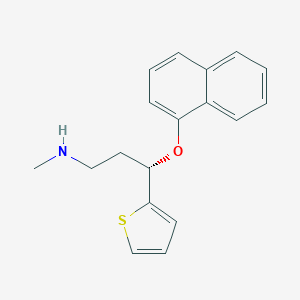
Duloxetine molecule Contributed by the U.S. National Library of Medicine (https://pubchem.ncbi.nlm.nih.gov/compound/duloxetine#section=Chemical-Vendors)
References
Rodrigues-Amorim D, Olivares JM, Spuch C, Rivera-Baltanás T. A Systematic Review of Efficacy, Safety, and Tolerability of Duloxetine. Frontiers in psychiatry. 2020:11():554899. doi: 10.3389/fpsyt.2020.554899. Epub 2020 Oct 23 [PubMed PMID: 33192668]
Level 1 (high-level) evidenceMcAlindon TE, Bannuru RR, Sullivan MC, Arden NK, Berenbaum F, Bierma-Zeinstra SM, Hawker GA, Henrotin Y, Hunter DJ, Kawaguchi H, Kwoh K, Lohmander S, Rannou F, Roos EM, Underwood M. OARSI guidelines for the non-surgical management of knee osteoarthritis. Osteoarthritis and cartilage. 2014 Mar:22(3):363-88. doi: 10.1016/j.joca.2014.01.003. Epub 2014 Jan 24 [PubMed PMID: 24462672]
Loprinzi CL, Lacchetti C, Bleeker J, Cavaletti G, Chauhan C, Hertz DL, Kelley MR, Lavino A, Lustberg MB, Paice JA, Schneider BP, Lavoie Smith EM, Smith ML, Smith TJ, Wagner-Johnston N, Hershman DL. Prevention and Management of Chemotherapy-Induced Peripheral Neuropathy in Survivors of Adult Cancers: ASCO Guideline Update. Journal of clinical oncology : official journal of the American Society of Clinical Oncology. 2020 Oct 1:38(28):3325-3348. doi: 10.1200/JCO.20.01399. Epub 2020 Jul 14 [PubMed PMID: 32663120]
Smith EM, Pang H, Cirrincione C, Fleishman S, Paskett ED, Ahles T, Bressler LR, Fadul CE, Knox C, Le-Lindqwister N, Gilman PB, Shapiro CL, Alliance for Clinical Trials in Oncology. Effect of duloxetine on pain, function, and quality of life among patients with chemotherapy-induced painful peripheral neuropathy: a randomized clinical trial. JAMA. 2013 Apr 3:309(13):1359-67. doi: 10.1001/jama.2013.2813. Epub [PubMed PMID: 23549581]
Level 1 (high-level) evidenceRejili M, Mustafa AM, Al-Kuraishy HM, Hussein NR, Al-Maiahy TJ, Al-Gareeb AI, Albuhadily AK, Batiha GE. Duloxetine as a gut-brain axis modulator in irritable bowel syndrome: neuroimmune, microbiota, and pharmacogenomic perspectives. Naunyn-Schmiedeberg's archives of pharmacology. 2026 May 22:():. doi: 10.1007/s00210-026-05419-1. Epub 2026 May 22 [PubMed PMID: 42168405]
Level 3 (low-level) evidenceArtemenko AR, Kurenkov AL, Filatova EG. [Efficacy of duloxetine in the treatment of chronic daily headache]. Zhurnal nevrologii i psikhiatrii imeni S.S. Korsakova. 2007:107(8):24-8 [PubMed PMID: 18379468]
Taylor AP, Adelman JU, Freeman MC. Efficacy of duloxetine as a migraine preventive medication: possible predictors of response in a retrospective chart review. Headache. 2007 Sep:47(8):1200-3 [PubMed PMID: 17883526]
Level 2 (mid-level) evidenceMowla A, Boostani S, Dastgheib SA. Duloxetine Augmentation in Resistant Obsessive-Compulsive Disorder: A Double-Blind Controlled Clinical Trial. Journal of clinical psychopharmacology. 2016 Dec:36(6):720-723 [PubMed PMID: 27811556]
Level 1 (high-level) evidenceShi Y, Chen Y, Zhao H. Pregabalin and duloxetine combination for painful diabetic neuropathy: a systematic review and meta-analysis. Frontiers in endocrinology. 2026:17():1750441. doi: 10.3389/fendo.2026.1750441. Epub 2026 Mar 11 [PubMed PMID: 41890179]
Level 1 (high-level) evidenceKnadler MP, Lobo E, Chappell J, Bergstrom R. Duloxetine: clinical pharmacokinetics and drug interactions. Clinical pharmacokinetics. 2011 May:50(5):281-94. doi: 10.2165/11539240-000000000-00000. Epub [PubMed PMID: 21366359]
Kiso T, Moriyama A, Furutani M, Matsuda R, Funatsu Y. Effects of pregabalin and duloxetine on neurotransmitters in the dorsal horn of the spinal cord in a rat model of fibromyalgia. European journal of pharmacology. 2018 May 15:827():117-124. doi: 10.1016/j.ejphar.2018.03.011. Epub 2018 Mar 9 [PubMed PMID: 29530591]
Yerram S, Muhammad Nizam VP, Srivastava S, Nanduri S. Nitrosamine Contamination in Pharmaceuticals: A Retrospective Regulatory Analysis of USFDA Recalls and Risk Mitigation Strategies (2018-2025). Therapeutic innovation & regulatory science. 2026 Mar:60(2):519-533. doi: 10.1007/s43441-025-00891-y. Epub 2025 Nov 17 [PubMed PMID: 41247449]
Level 2 (mid-level) evidenceCipriani A, Koesters M, Furukawa TA, Nosè M, Purgato M, Omori IM, Trespidi C, Barbui C. Duloxetine versus other anti-depressive agents for depression. The Cochrane database of systematic reviews. 2012 Oct 17:10(10):CD006533. doi: 10.1002/14651858.CD006533.pub2. Epub 2012 Oct 17 [PubMed PMID: 23076926]
Level 1 (high-level) evidenceWhite C, Kwong WJ, Armstrong H, Behling M, Niemira J, Lang K. Analysis of Real-World Dosing Patterns for the 3 FDA-Approved Medications in the Treatment of Fibromyalgia. American health & drug benefits. 2018 Sep:11(6):293-301 [PubMed PMID: 30464796]
Fava GA, Benasi G, Lucente M, Offidani E, Cosci F, Guidi J. Withdrawal Symptoms after Serotonin-Noradrenaline Reuptake Inhibitor Discontinuation: Systematic Review. Psychotherapy and psychosomatics. 2018:87(4):195-203. doi: 10.1159/000491524. Epub 2018 Jul 17 [PubMed PMID: 30016772]
Level 1 (high-level) evidenceAndrade C. The safety of duloxetine during pregnancy and lactation. The Journal of clinical psychiatry. 2014 Dec:75(12):e1423-7. doi: 10.4088/JCP.14f09631. Epub [PubMed PMID: 25551238]
By the 2023 American Geriatrics Society Beers Criteria® Update Expert Panel. American Geriatrics Society 2023 updated AGS Beers Criteria® for potentially inappropriate medication use in older adults. Journal of the American Geriatrics Society. 2023 Jul:71(7):2052-2081. doi: 10.1111/jgs.18372. Epub 2023 May 4 [PubMed PMID: 37139824]
Mikkelsen N, Damkier P, Pedersen SA. Serotonin syndrome-A focused review. Basic & clinical pharmacology & toxicology. 2023 Aug:133(2):124-129. doi: 10.1111/bcpt.13912. Epub 2023 Jun 20 [PubMed PMID: 37309284]
Isbister GK, Polanski R, Cooper JM, Keegan M, Isoardi KZ. Duloxetine overdose causes sympathomimetic and serotonin toxicity without major complications. Clinical toxicology (Philadelphia, Pa.). 2022 Sep:60(9):1019-1023. doi: 10.1080/15563650.2022.2083631. Epub 2022 Jun 6 [PubMed PMID: 35658766]
Pilgrim JL, Gerostamoulos D, Drummer OH. The prevalence of duloxetine in medico-legal death investigations in Victoria, Australia (2009-2012). Forensic science international. 2014 Jan:234():165-73. doi: 10.1016/j.forsciint.2013.11.009. Epub 2013 Nov 20 [PubMed PMID: 24378318]