 Tools
Tools
 Cangrelor
Indications
FDA-Approved Indications
The US Food and Drug Administration (FDA) approved cangrelor in June 2015, following comprehensive data from the Cangrelor Versus Standard Therapy to Achieve Optimal Management of Platelet Inhibition Trials (CHAMPION Trials). The CHAMPION Trials involved approximately 25,000 patients and demonstrated the drug's efficacy in patient populations undergoing percutaneous coronary intervention (PCI).[1] Cangrelor is the only direct parenteral P2Y12 receptor inhibitor currently available, with a rapid onset and offset of action compared with oral P2Y12 inhibitors such as clopidogrel, prasugrel, and ticagrelor.[2] Cangrelor is primarily used in patients undergoing PCI, a procedure for treating coronary artery disease.[3]
Cangrelor is used as adjunctive antiplatelet therapy for patients undergoing PCI to reduce the risk of thrombotic events during and after the procedure. Cangrelor therapy is especially beneficial for patients with high-risk features or those not receiving adequate pretreatment with oral antiplatelet agents.[4] The FDA has approved cangrelor for reducing the risk of periprocedural myocardial infarction, stent thrombosis, and repeat coronary revascularization in patients undergoing percutaneous coronary intervention who have not received a P2Y12 platelet inhibitor and are not receiving a glycoprotein IIb/IIIa inhibitor.
- Cangrelor helps mitigate the risk of periprocedural myocardial infarction, a potentially life-threatening condition, during PCI.[5]
- Cangrelor effectively reduces the incidence of stent thrombosis, defined as thrombotic coronary stent occlusion, thereby reducing the risk of further cardiovascular complications.[6]
- Cangrelor therapy also helps reduce the need for repeat coronary revascularization procedures by decreasing recurrent narrowing of the treated artery.[7]
Clinicians and patients must understand that cangrelor is designed for short-term use exclusively during the PCI procedure and the immediate postprocedural period. Cangrelor is not intended for long-term maintenance therapy and should be bridged with oral antiplatelet agents after hospital admission to ensure optimal treatment continuity and patient safety. According to the 2025 American College of Cardiology/American Heart Association/Society for Cardiovascular Angiography and Interventions (ACC/AHA/SCAI) guidelines, intravenous cangrelor can be a viable option for patients undergoing PCI who have not been previously exposed to P2Y12 inhibitors to reduce periprocedural ischemic events.[8][9]
According to the Cangrelor in Acute Myocardial Infarction: Effectiveness and Outcomes Registry (CAMEO registry), considerable variation in cangrelor use is evident across hospitals, with only 27% of patients receiving cangrelor and then transitioning to an oral P2Y12 inhibitor, consistent with the clinical trial and US Food and Drug Administration label. Additionally, over one-third of patients receive a cangrelor infusion for less than 2 hours, as recommended by the US Food and Drug Administration. The CAMEO Registry results have important clinical implications, emphasizing the need for improvement in P2Y12 inhibitor transition for patients undergoing percutaneous coronary intervention after experiencing myocardial infarction. The suggested strategy is to improve clinicians' and pharmacists' knowledge and understanding to facilitate the appropriate use and a smooth transition from cangrelor to an oral P2Y12 inhibitor.[10]
Off-Label Use
In addition to its approved indications, cangrelor is also used as a bridging agent in patients who have recently undergone stent implantation and require cardiac surgical procedures.[11]
Mechanism of Action
Register For Free And Read The Full Article
 Search engine and full access to all medical articles
- 10 free questions in your specialty
- Free CME/CE Activities
- Free daily question in your email
- Save favorite articles to your dashboard
- Emails offering discounts
Learn more about a Subscription to StatPearls Point-of-Care
Mechanism of Action
Cangrelor, a novel non–thienopyridine adenosine triphosphate (ATP) analog, exerts its antiplatelet effects through a specific mechanism of action. Cangrelor inhibits blood platelet activation and aggregation, ultimately reducing the risk of thrombotic events.
The primary mechanisms of action of cangrelor include:
- P2Y12 receptor antagonism: Cangrelor is a reversible antagonist of the P2Y12 receptor, an essential receptor involved in platelet activation and aggregation. By binding to the P2Y12 receptor on platelets, cangrelor effectively blocks the binding of adenosine diphosphate (ADP), a potent platelet activator (see Image. Cangrelor Mechanism of Action). This action leads to inhibition of the ADP-mediated signaling pathway and subsequent platelet activation.[12]
- Rapid onset and offset of action: Cangrelor exhibits a rapid onset of action, reaching maximum platelet inhibition within minutes of administration. This quick onset renders the drug particularly useful in the acute setting of PCI, where immediate platelet inhibition is essential. Moreover, cangrelor's effects are rapidly reversible upon discontinuation, resulting in a shorter duration of action than those of other antiplatelet agents.[13]
- Platelet inhibition without metabolism: Unlike oral antiplatelet agents such as clopidogrel or ticagrelor, cangrelor does not rely on metabolic activation. Cangrelor is administered as an intravenous infusion directly into the bloodstream, eliminating the need for hepatic metabolism. This unique characteristic of cangrelor ensures consistent platelet inhibition without interpatient variability.
- Preservation of vascular function: Cangrelor selectively inhibits the P2Y12 receptor on platelets while leaving other ADP receptors unaffected. This selectivity helps preserve endothelial function and maintain the balance between antithrombotic effects and the physiological hemostatic response. Additionally, cangrelor inhibits platelets without compromising the overall integrity of the vascular system.
In summary, cangrelor is a potent and reversible intravenous P2Y12 inhibitor that acts directly and has a short duration of action. Cangrelor quickly inhibits platelet function upon administration and restores normal platelet function within 1 hour of discontinuation. Cangrelor is effective at reducing the risk of stent thrombosis, especially in patients not pretreated with a P2Y12 inhibitor. In addition, cangrelor may be particularly useful in clinical situations where oral P2Y12 inhibitor absorption is not feasible or unreliable (eg, hemodynamic instability, vomiting, or intubation).[8]
Results from a meta-analysis of the CHAMPION-PCI, CHAMPION-PLATFORM, and CHAMPION-PHOENIX Trials provided substantial support for these observations, indicating a decreased incidence of the combined outcome of death, myocardial infarction, ischemia-driven revascularization, or stent thrombosis within 48 hours with cangrelor use compared with clopidogrel. Furthermore, cangrelor was associated with a 41% reduction in stent thrombosis. Although significant bleeding events were comparable between the 2 cohorts, minor bleeding occurred more frequently in the cangrelor group.[14]
Pharmacokinetics
Understanding the pharmacokinetic profile of cangrelor is essential for appropriate dosing, monitoring, and optimizing therapeutic outcomes. The key aspects of cangrelor pharmacokinetics are as follows:
Route of administration: Cangrelor is administered intravenously as a continuous infusion. The intravenous route enables rapid and predictable drug delivery, ensuring immediate platelet inhibition during and after PCI.[15]
Absorption: As cangrelor is administered intravenously, it is fully and immediately available in the systemic circulation, bypassing gastrointestinal tract absorption, resulting in a peak plasma concentration within 2 minutes of administration.
Distribution: Cangrelor distributes rapidly throughout the bloodstream, facilitated by its high water solubility and a volume of distribution of 3.9 L. Approximately 97% to 98% of the drug binds to plasma proteins. Notably, cangrelor binds extensively to platelets, primarily via the P2Y12 receptor, enabling it to reach its site of action and exert potent antiplatelet effects.
Metabolism: Cangrelor undergoes primary metabolism via nonenzymatic hydrolysis in blood plasma, resulting in dephosphorylation. This rapid and spontaneous degradation leads to the formation of an inactive metabolite. Cangrelor metabolism occurs independently of hepatic enzymes and does not involve the cytochrome P450 system.
Elimination: Cangrelor and its metabolite are primarily eliminated through renal excretion, with a plasma clearance of about 43 L/h. The elimination half-life of cangrelor is relatively short, averaging about 3 to 6 minutes.[16] This short half-life allows rapid drug elimination, rendering cangrelor suitable for situations requiring prompt platelet inhibition.
Clinical implications: The favorable pharmacokinetic profile of cangrelor, characterized by a short half-life and rapid reversibility, has significant clinical implications. Healthcare professionals can benefit from its predictable, controllable pharmacokinetics, which enables them to adjust and titrate the infusion rate as needed during PCI procedures.
Administration
Cangrelor is available in a parenteral dosage form, specifically as a lyophilized powder for intravenous infusion. The lyophilized powder is reconstituted with a suitable diluent to prepare a solution for intravenous administration. Cangrelor is typically supplied in vials or single-use infusion bags.
Available Dosage Forms
Cangrelor is available as an intravenous infusion.
Strength
The available strength of cangrelor is 50 mg/vial.
Adult Dosage
Loading dose: A cangrelor loading dose is usually administered before initiating the infusion to ensure rapid onset of platelet inhibition. The recommended loading dose of cangrelor is 30 µg/kg, given as a bolus injection over a short duration, such as 1 minute.[17]
Continuous infusion: Following the loading dose, cangrelor is initiated as a continuous infusion. The infusion rate is adjusted according to the patient's weight to maintain therapeutic platelet inhibition. The recommended infusion rate of 4 µg/kg/min allows continuous cangrelor administration throughout the PCI procedure or for up to 2 hours after the procedure, whichever is longer.
Adjustment of dosing: The cangrelor infusion rate can be adjusted based on individual patient factors, including response to therapy, bleeding risk, and PCI procedure complexity. Dosing may need to be titrated up or down to achieve the desired level of platelet inhibition while carefully managing the risk of bleeding complications.
Bridging therapy dosing: A 0.75 µg/kg/min infusion was established in the Bridging Antiplatelet Therapy With Cangrelor in Patients Undergoing Cardiac Surgery (BRIDGE) trial for patients awaiting coronary artery bypass graft surgical procedures.
Duration of therapy: Cangrelor therapy is typically limited to the PCI procedure and the immediate postprocedural period. Upon completion of the PCI procedure, patients are often transitioned to oral antiplatelet agents, such as clopidogrel 600 mg, ticagrelor 180 mg, or prasugrel 60 mg, for long-term maintenance therapy.[18][19]
Specific Patient Populations
Hepatic impairment: Cangrelor has not been specifically studied in patients with hepatic impairment. Because cangrelor metabolism is not dependent on hepatic function, dosage adjustment is not necessary for patients with hepatic impairment.[20]
Renal impairment: Typically, no dosage adjustment is necessary for patients with mild, moderate, or severe renal impairment when using cangrelor. However, close monitoring for potential adverse effects and platelet inhibition response is strongly recommended.
Pregnancy considerations: Limited clinical data are available on the use of cangrelor during pregnancy. In pregnant patients requiring intervention, intravenous heparin is the preferred anticoagulant.[21] Because the safety of cangrelor for both the mother and the developing fetus has not been established, cangrelor use during pregnancy should be avoided unless the potential benefits outweigh the risks.
Breastfeeding considerations: Limited data exist on the excretion of cangrelor in human milk and its potential effects on breastfed infants. Therefore, caution is warranted when considering the use of cangrelor during lactation.[20]
Pediatric patients: The safety and effectiveness of cangrelor have not been established in the pediatric population.
Older adult patients: Typically, no dosage adjustment is required. Patients aged 75 years and older have a higher risk of moderate to severe bleeding, which is approximately 3-fold greater than the risk in younger patients. However, compared with clopidogrel, cangrelor provides comparable effectiveness in patients both older and younger than 75 years without increasing the risk of significant bleeding.[22]
Adverse Effects
Like other medications, cangrelor can potentially cause adverse drug reactions in some patients.[23] Common adverse drug reactions associated with cangrelor use are listed below:
- Bleeding: The most common adverse effect of cangrelor is bleeding, ranging from minor events, such as epistaxis or bruising, to more severe bleeding. Bleeding may occur at the site of vascular access, surgical sites, or other locations in the body.
- Thrombocytopenia: Cangrelor can lead to thrombocytopenia, which may increase the risk of bleeding.[24]
- Hypersensitivity reactions: Cangrelor may cause hypersensitivity or allergic reactions in some patients, which may present as a skin rash, itching, hives, or swelling.
- Nausea and vomiting: Cangrelor may cause gastrointestinal symptoms in some patients, including nausea and vomiting.
- Hypotension: Cangrelor can potentially lower blood pressure, which may lead to hypotension. Therefore, healthcare professionals should closely monitor patients' blood pressure during cangrelor administration.
- Local site reactions: In some cases, patients may experience reactions at the injection or infusion site, including pain, redness, or swelling.
Drug-Drug Interactions
Glycoprotein IIb/IIIa inhibitors
Cangrelor should not be coadministered with glycoprotein 2b/3a inhibitors, such as abciximab, eptifibatide, or tirofiban, because this combination may increase bleeding risk.[25]
P2Y12 inhibitors
Cangrelor should be used cautiously with other P2Y12 inhibitors, such as clopidogrel, ticagrelor, and prasugrel. Cangrelor is known for its high P2Y12 receptor affinity, which prevents other P2Y12 agents from binding to the receptor. Consequently, additional P2Y12 inhibitors administered during cangrelor infusion may be unable to bind to the P2Y12 receptor, resulting in a lack of antiplatelet effects and ischemic protection.[11] Specific recommendations for switching from intravenous cangrelor to oral P2Y12 inhibitors are listed below.
- Clopidogrel: During cangrelor infusion, high receptor occupancy prevents the binding of clopidogrel's active metabolite to the P2Y12 receptor, leading to a lack of platelet inhibitory effect. Clopidogrel is administered at the end of the cangrelor infusion to avoid this interaction, allowing sufficient time for cangrelor to wash out from the system and subsequent binding of clopidogrel's active metabolite to the P2Y12 receptor. Therefore, clopidogrel should be administered after the discontinuation of cangrelor infusion to avoid drug interactions.[26]
- Ticagrelor: Due to its extended systemic half-life and that of its major metabolite, ticagrelor can be safely administered at any time, whether before, during, or after cangrelor infusion, without significant drug interactions. Results from the Switching Antiplatelet 5 (SWAP-5) study, which specifically investigated cangrelor use in patients pretreated with ticagrelor, indicated that administering cangrelor to patients pretreated with ticagrelor enhanced platelet inhibition without any noticeable differences in pharmacokinetic or pharmacodynamic profiles upon discontinuing the drug infusion. Moreover, results from this study showed no significant drug interactions between cangrelor and ticagrelor.[27]
- Prasugrel: The transition from cangrelor to prasugrel should occur after the infusion is discontinued to avoid potential drug interactions. For an effective transition, initiating the shift approximately 30 minutes before the cangrelor infusion is completed is advisable.[28] International expert consensus recommends early administration of ticagrelor during percutaneous coronary intervention to minimize the potential gap in platelet inhibition during the transition from cangrelor infusion.[29]
Results from in vitro studies showed that cangrelor does not inhibit cytochrome P450 enzymes at therapeutic concentrations. Consequently, cangrelor administration is not anticipated to interfere with the hepatic metabolism of other concurrently administered therapeutic agents.[30]
Thrombolytic agents
Cangrelor requires close monitoring and caution when used concomitantly with thrombolytic agents, such as alteplase or reteplase, due to an increased risk of bleeding.[31]
Abrocitinib
Cangrelor can potentiate the antiplatelet effect of abrocitinib. Therefore, the combination of these medications should be avoided.[32]
Anticoagulants
The administration of P2Y12 inhibitors with anticoagulants, such as heparin, warfarin, or direct oral anticoagulants, may increase the risk of bleeding. Therefore, clinicians should use caution when using this combination of medications.[33]
| Pause and Reflect |
|
Contraindications
Cangrelor is contraindicated in individuals with known hypersensitivity or allergic reactions to cangrelor or its components. Cangrelor is contraindicated in cases of active pathological bleeding, including gastrointestinal bleeding or intracranial hemorrhage.[20]
Box Warning
The US Food and Drug Administration has issued no specific boxed warnings for cangrelor. However, clinicians should recognize that drug safety information can evolve over time.
Warnings and Precautions
Bleeding risk: Cangrelor increases the risk of bleeding, which can be severe or even life-threatening.[34] Therefore, clinicians should exercise caution when administering cangrelor to patients at an increased risk of bleeding, including those with a recent history of surgical procedures, bleeding disorders, or significant trauma. Close monitoring for signs of bleeding and appropriate treatment strategies should be implemented to mitigate potential risks and ensure patient safety.
Thrombocytopenia: Cangrelor can decrease platelet count, a condition known as thrombocytopenia. Therefore, regular monitoring of platelet counts is recommended, especially during prolonged use or in patients with risk factors for thrombocytopenia.
Surgical procedures: Cangrelor's antiplatelet effects can prolong bleeding time; therefore, clinicians should exercise caution when scheduling surgical procedures. The decision to discontinue cangrelor before a surgical procedure should be carefully considered, taking into account the patient's bleeding risk and the desired duration of antiplatelet effect.
According to the American Society of Regional Anesthesia and Pain Medicine guidelines, the risk of severe bleeding associated with a neuraxial block while the residual effect of cangrelor is present remains unknown. The guidelines also recommend removing neuraxial catheters before reinstituting cangrelor therapy postoperatively. The first postoperative dose of cangrelor should be administered 8 hours after removal of the neuraxial catheter.[35]
Monitoring
Patients receiving cangrelor should be closely monitored for signs of bleeding, both clinically and through laboratory testing, including a complete blood count. An advanced monitoring technique, the P2Y12 monitoring assay, can also be employed. The P2Y12 assay estimates the degree of platelet inhibition by P2Y12 inhibitors, such as cangrelor. The reference range for P2Y12 reaction units is 194 to 418. However, P2Y12 reaction unit results may be unreliable in patients with altered hematocrit, platelet counts, or fibrinogen levels. Therefore, clinicians should monitor hematocrit, platelet count, and fibrinogen levels during cangrelor infusion.[36]
Toxicity
Severe toxicity related specifically to cangrelor is rare.[37] Nevertheless, some potential toxicity concerns are associated with cangrelor use, including bleeding, allergic reactions, thrombocytopenia, and local site reactions. Results from a pooled analysis of the CHAMPION trials assessed data on cangrelor overdose. The analysis identified 36 patients who experienced an overdose of cangrelor. In most cases, the cangrelor dose did not exceed 2.5-fold the recommended dosage. Notably, only 1 patient who experienced an overdose had a severe bleeding event.[38]
Signs and Symptoms of Overdose
Common signs and symptoms of cangrelor overdose include bleeding and thrombocytopenia.
Management of Overdose
Treatment of cangrelor overdose involves providing supportive care and closely monitoring the patient's condition because no specific antidote is available for the drug.
- Stop the cangrelor infusion immediately and seek assistance from a rapid response team.[39]
- Monitor the patient's vital signs, including blood pressure, heart rate, and oxygen saturation.
- Perform continuous cardiac monitoring to assess for any arrhythmias or changes in the electrocardiogram.
- Consider platelet transfusion under the guidance of a hematologist in cases of severe bleeding or refractory thrombocytopenia to restore platelet function and aid in clot formation.
- Consult a toxicologist in severe cases.
Enhancing Healthcare Team Outcomes
Interdisciplinary collaboration and effective communication among these healthcare professionals are essential for optimizing patient outcomes and ensuring the safe use of cangrelor. Collaborative care supports comprehensive treatment, monitoring for potential adverse events, and adjustment of treatment plans to achieve the best possible patient outcomes. When cangrelor is administered to a patient, several disciplines may be involved in their care. The cardiologist plays a central role in administering cangrelor, as they determine the appropriate indication, dosage, and duration of therapy. In addition, the cardiology team monitors the patient's cardiovascular status, assesses the need for antiplatelet therapy, and evaluates the response to treatment.
Clinical pharmacists play a crucial role in ensuring the safe and effective use of cangrelor. They provide medication reconciliation, assess potential drug interactions, recommend appropriate dosing adjustments for patients with renal or hepatic impairment, and educate patients on their medications. Cardiothoracic surgeons may be involved in off-label uses that require cardiac surgical procedures. A hematologist consultation may be necessary for severe bleeding. Pathologists provide valuable input regarding the appropriate laboratory monitoring. Nurses should monitor the patient and inform the team about any adverse events.
A strategic approach is equally crucial, involving evidence-based strategies to optimize treatment plans and minimize adverse effects. Ethical considerations must guide decision-making, ensuring informed consent and respecting patient autonomy in treatment choices. Each healthcare professional must be aware of their responsibilities and contribute their unique expertise to the patient's care plan, fostering a multidisciplinary approach. Effective interprofessional communication is paramount, allowing seamless information exchange and collaborative decision-making among the team members. Care coordination plays a pivotal role in ensuring that the patient's journey from diagnosis to treatment and follow-up is well-managed, minimizing errors and enhancing patient safety. By embracing these principles of skill, strategy, ethics, responsibilities, interprofessional communication, and care coordination, healthcare professionals can deliver patient-centered care, ultimately improving patient outcomes and enhancing team performance in the management of patients with cardiac ischemia.
Media
(Click Image to Enlarge)
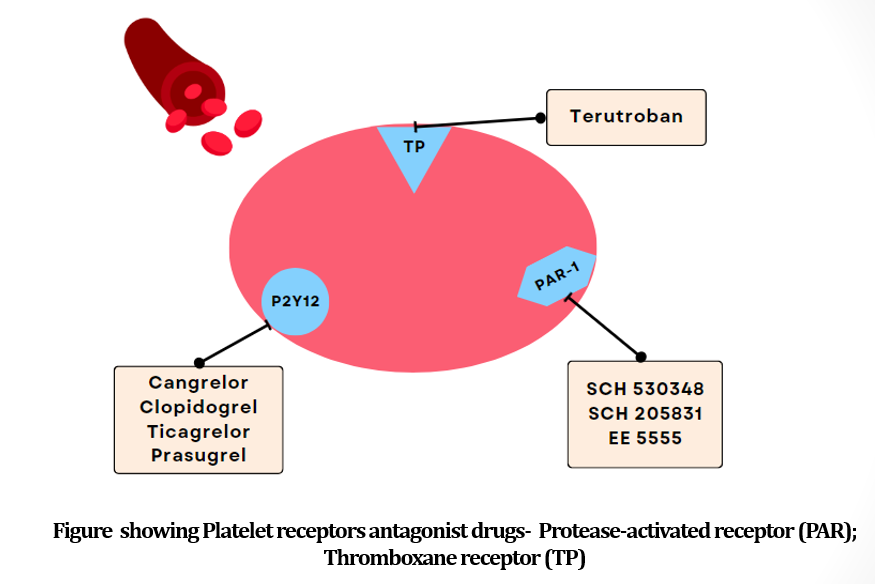
Cangrelor Mechanism of Action. The figure depicts platelet receptor antagonist drugs and protease-activated receptors (PAR) and thromboxane receptors (TP). Contributed by Ayoola Awosika, MD. Original design.
References
Vaduganathan M, Qamar A, Singh A, Venkateswaran RV, Szumita PM, Croce KJ, Mauri L, Leopold JA, Shah PB, Sobieszczyk P, Faxon DP, Bhatt DL. Cangrelor Use Since FDA Approval: A Single-Center, Real-World Experience at a Tertiary Care Hospital. Journal of the American College of Cardiology. 2017 Jan 31:69(4):463-464. doi: 10.1016/j.jacc.2016.11.017. Epub 2016 Nov 30 [PubMed PMID: 27914699]
Abubakar M, Raza S, Hassan KM, Javed I, Hassan KM, Farrukh F, Hassan KM, Faraz MA. Efficacy, Safety, and Role of Antiplatelet Drugs in the Management of Acute Coronary Syndrome: A Comprehensive Review of Literature. Cureus. 2023 Mar:15(3):e36335. doi: 10.7759/cureus.36335. Epub 2023 Mar 18 [PubMed PMID: 37077602]
Alagna G, Mazzone P, Contarini M, Andò G. Dual Antiplatelet Therapy with Parenteral P2Y(12) Inhibitors: Rationale, Evidence, and Future Directions. Journal of cardiovascular development and disease. 2023 Apr 9:10(4):. doi: 10.3390/jcdd10040163. Epub 2023 Apr 9 [PubMed PMID: 37103042]
Level 3 (low-level) evidenceBhatt DL, Stone GW, Mahaffey KW, Gibson CM, Steg PG, Hamm CW, Price MJ, Leonardi S, Gallup D, Bramucci E, Radke PW, Widimský P, Tousek F, Tauth J, Spriggs D, McLaurin BT, Angiolillo DJ, Généreux P, Liu T, Prats J, Todd M, Skerjanec S, White HD, Harrington RA, CHAMPION PHOENIX Investigators. Effect of platelet inhibition with cangrelor during PCI on ischemic events. The New England journal of medicine. 2013 Apr 4:368(14):1303-13. doi: 10.1056/NEJMoa1300815. Epub 2013 Mar 10 [PubMed PMID: 23473369]
Level 1 (high-level) evidencePeterson BE, Harrington RA, Stone GW, Steg PG, Gibson CM, Hamm CW, Price MJ, Lopes RD, Leonardi S, Prats J, Deliargyris EN, Mahaffey KW, White HD, Bhatt DL. Effect of Platelet Inhibition by Cangrelor Among Obese Patients Undergoing Coronary Stenting: Insights From CHAMPION. Circulation. Cardiovascular interventions. 2022 Mar:15(3):e011069. doi: 10.1161/CIRCINTERVENTIONS.121.011069. Epub 2022 Feb 24 [PubMed PMID: 35196863]
Bhatt DL, Lincoff AM, Gibson CM, Stone GW, McNulty S, Montalescot G, Kleiman NS, Goodman SG, White HD, Mahaffey KW, Pollack CV Jr, Manoukian SV, Widimsky P, Chew DP, Cura F, Manukov I, Tousek F, Jafar MZ, Arneja J, Skerjanec S, Harrington RA, CHAMPION PLATFORM Investigators. Intravenous platelet blockade with cangrelor during PCI. The New England journal of medicine. 2009 Dec 10:361(24):2330-41. doi: 10.1056/NEJMoa0908629. Epub [PubMed PMID: 19915222]
Level 1 (high-level) evidenceRollini F, Franchi F, Tello-Montoliu A, Patel R, Darlington A, Ferreiro JL, Cho JR, Muñiz-Lozano A, Desai B, Zenni MM, Guzman LA, Bass TA, Angiolillo DJ. Pharmacodynamic effects of cangrelor on platelet P2Y12 receptor-mediated signaling in prasugrel-treated patients. JACC. Cardiovascular interventions. 2014 Apr:7(4):426-34. doi: 10.1016/j.jcin.2013.11.019. Epub 2014 Mar 13 [PubMed PMID: 24630878]
Level 1 (high-level) evidenceWriting Committee Members, Lawton JS, Tamis-Holland JE, Bangalore S, Bates ER, Beckie TM, Bischoff JM, Bittl JA, Cohen MG, DiMaio JM, Don CW, Fremes SE, Gaudino MF, Goldberger ZD, Grant MC, Jaswal JB, Kurlansky PA, Mehran R, Metkus TS Jr, Nnacheta LC, Rao SV, Sellke FW, Sharma G, Yong CM, Zwischenberger BA. 2021 ACC/AHA/SCAI Guideline for Coronary Artery Revascularization: A Report of the American College of Cardiology/American Heart Association Joint Committee on Clinical Practice Guidelines. Journal of the American College of Cardiology. 2022 Jan 18:79(2):e21-e129. doi: 10.1016/j.jacc.2021.09.006. Epub 2021 Dec 9 [PubMed PMID: 34895950]
Level 1 (high-level) evidenceRao SV, O'Donoghue ML, Ruel M, Rab T, Tamis-Holland JE, Alexander JH, Baber U, Baker H, Cohen MG, Cruz-Ruiz M, Davis LL, de Lemos JA, DeWald TA, Elgendy IY, Feldman DN, Goyal A, Isiadinso I, Menon V, Morrow DA, Mukherjee D, Platz E, Promes SB, Sandner S, Sandoval Y, Schunder R, Shah B, Stopyra JP, Talbot AW, Taub PR, Williams MS, Peer Review Committee Members. 2025 ACC/AHA/ACEP/NAEMSP/SCAI Guideline for the Management of Patients With Acute Coronary Syndromes: A Report of the American College of Cardiology/American Heart Association Joint Committee on Clinical Practice Guidelines. Journal of the American College of Cardiology. 2025 Jun 10:85(22):2135-2237. doi: 10.1016/j.jacc.2024.11.009. Epub 2025 Feb 27 [PubMed PMID: 40013746]
Level 1 (high-level) evidenceRymer JA, Bhatt DL, Angiolillo DJ, Diaz M, Garratt KN, Waksman R, Edwards L, Tasissa G, Salahuddin K, El-Sabae H, Dell'Anna C, Davidson-Ray L, Washam JB, Ohman EM, Wang TY. Cangrelor Use Patterns and Transition to Oral P2Y(12) Inhibitors Among Patients With Myocardial Infarction: Initial Results From the CAMEO Registry. Journal of the American Heart Association. 2022 Jun 7:11(11):e024513. doi: 10.1161/JAHA.121.024513. Epub 2022 May 27 [PubMed PMID: 35621210]
De Luca L, Steg PG, Bhatt DL, Capodanno D, Angiolillo DJ. Cangrelor: Clinical Data, Contemporary Use, and Future Perspectives. Journal of the American Heart Association. 2021 Jul 6:10(13):e022125. doi: 10.1161/JAHA.121.022125. Epub 2021 Jul 2 [PubMed PMID: 34212768]
Level 3 (low-level) evidenceVaduganathan M, Harrington RA, Stone GW, Deliargyris EN, Steg PG, Gibson CM, Hamm CW, Price MJ, Menozzi A, Prats J, Elkin S, Mahaffey KW, White HD, Bhatt DL, CHAMPION Investigators. Cangrelor With and Without Glycoprotein IIb/IIIa Inhibitors in Patients Undergoing Percutaneous Coronary Intervention. Journal of the American College of Cardiology. 2017 Jan 17:69(2):176-185. doi: 10.1016/j.jacc.2016.10.055. Epub [PubMed PMID: 28081827]
Ubaid S, Ford TJ, Berry C, Murray HM, Wrigley B, Khan N, Thomas MR, Armesilla AL, Townend JN, Khogali SS, Munir S, Martins J, Hothi SS, McAlindon EJ, Cotton JM. Cangrelor versus Ticagrelor in Patients Treated with Primary Percutaneous Coronary Intervention: Impact on Platelet Activity, Myocardial Microvascular Function and Infarct Size: A Randomized Controlled Trial. Thrombosis and haemostasis. 2019 Jul:119(7):1171-1181. doi: 10.1055/s-0039-1688789. Epub 2019 May 26 [PubMed PMID: 31129911]
Level 1 (high-level) evidenceSteg PG, Bhatt DL, Hamm CW, Stone GW, Gibson CM, Mahaffey KW, Leonardi S, Liu T, Skerjanec S, Day JR, Iwaoka RS, Stuckey TD, Gogia HS, Gruberg L, French WJ, White HD, Harrington RA, CHAMPION Investigators. Effect of cangrelor on periprocedural outcomes in percutaneous coronary interventions: a pooled analysis of patient-level data. Lancet (London, England). 2013 Dec 14:382(9909):1981-92. doi: 10.1016/S0140-6736(13)61615-3. Epub 2013 Sep 3 [PubMed PMID: 24011551]
Level 1 (high-level) evidenceAbtan J, Steg PG, Stone GW, Mahaffey KW, Gibson CM, Hamm CW, Price MJ, Abnousi F, Prats J, Deliargyris EN, White HD, Harrington RA, Bhatt DL, CHAMPION PHOENIX Investigators. Efficacy and Safety of Cangrelor in Preventing Periprocedural Complications in Patients With Stable Angina and Acute Coronary Syndromes Undergoing Percutaneous Coronary Intervention: The CHAMPION PHOENIX Trial. JACC. Cardiovascular interventions. 2016 Sep 26:9(18):1905-13. doi: 10.1016/j.jcin.2016.06.046. Epub [PubMed PMID: 27659566]
Gargiulo G, Esposito G, Cirillo P, Nagler M, Minuz P, Campo G, Gragnano F, Manavifar N, Piccolo R, Avvedimento M, Tebaldi M, Wahl A, Hunziker L, Billinger M, Heg D, Windecker S, Valgimigli M. Facilitation Through Aggrastat or Cangrelor Bolus and Infusion Over PrasugreL: a MUlticenter Randomized Open-label Trial in PatientS with ST-elevation Myocardial InFarction Referred for PrimAry PercutaneouS InTERvention (FABOLUS FASTER) Trial: Design and Rationale : The FABOLUS FASTER Trial. Journal of cardiovascular translational research. 2021 Feb:14(1):110-119. doi: 10.1007/s12265-020-09969-4. Epub 2020 Feb 24 [PubMed PMID: 32096064]
Level 1 (high-level) evidenceAkers WS, Oh JJ, Oestreich JH, Ferraris S, Wethington M, Steinhubl SR. Pharmacokinetics and pharmacodynamics of a bolus and infusion of cangrelor: a direct, parenteral P2Y12 receptor antagonist. Journal of clinical pharmacology. 2010 Jan:50(1):27-35. doi: 10.1177/0091270009344986. Epub 2009 Sep 24 [PubMed PMID: 19779037]
Level 1 (high-level) evidenceVoeltz MD, Manoukian SV. Cangrelor in patients undergoing cardiac surgery: the BRIDGE study. Expert review of cardiovascular therapy. 2013 Jul:11(7):811-6. doi: 10.1586/14779072.2013.811972. Epub [PubMed PMID: 23895024]
Level 1 (high-level) evidenceSchneider DJ, Agarwal Z, Seecheran N, Keating FK, Gogo P. Pharmacodynamic effects during the transition between cangrelor and ticagrelor. JACC. Cardiovascular interventions. 2014 Apr:7(4):435-42. doi: 10.1016/j.jcin.2013.08.017. Epub 2014 Mar 19 [PubMed PMID: 24656538]
Level 1 (high-level) evidenceBaker DE, Ingram KT. Cangrelor. Hospital pharmacy. 2015 Nov:50(10):922-929 [PubMed PMID: 27729681]
Park K, Bairey Merz CN, Bello NA, Davis M, Duvernoy C, Elgendy IY, Ferdinand KC, Hameed A, Itchhaporia D, Minissian MB, Reynolds H, Mehta P, Russo AM, Shah RU, Volgman AS, Wei J, Wenger NK, Pepine CJ, Lindley KJ, American College of Cardiology Cardiovascular Disease in Women Committee and the Cardio-Obstetrics Work Group. Management of Women With Acquired Cardiovascular Disease From Pre-Conception Through Pregnancy and Postpartum: JACC Focus Seminar 3/5. Journal of the American College of Cardiology. 2021 Apr 13:77(14):1799-1812. doi: 10.1016/j.jacc.2021.01.057. Epub [PubMed PMID: 33832606]
Cavender MA, Bhatt DL, Stone GW, Steg PG, Gibson CM, Hamm CW, Price MJ, Prats J, Elkin S, Deliargyris EN, Mahaffey KW, White HD, Harrington RA, CHAMPION PHOENIX Investigators*. Cangrelor in Older Patients Undergoing Percutaneous Coronary Intervention: Findings From CHAMPION PHOENIX. Circulation. Cardiovascular interventions. 2017 Aug:10(8):. pii: e005257. doi: 10.1161/CIRCINTERVENTIONS.117.005257. Epub [PubMed PMID: 28801539]
Firstenberg MS, Dyke CM, Angiolillo DJ, Ramaiahm C, Price M, Brtko M, Welsby I, Chandna H, Holmes DR, Voeltz M, Tummala P, Hutyra M, Manoukian SV, Prats J, Todd M, Liu T, Chronos N, Dietrich M, Montalescot G, Cannon LA, Topo EJ. Safety and efficacy of cangrelor, an intravenous, short-acting platelet inhibitor in patients requiring coronary artery bypass surgery. The heart surgery forum. 2013 Apr:16(2):E60-9. doi: 10.1532/HSF98.20121103. Epub [PubMed PMID: 23625478]
Level 1 (high-level) evidenceParker WA, Bhatt DL, Prats J, Day JRS, Steg PG, Stone GW, Hamm CW, Mahaffey KW, Price MJ, Gibson CM, White HD, Storey RF, CHAMPION PHOENIX Investigators. Characteristics of dyspnoea and associated clinical outcomes in the CHAMPION PHOENIX study. Thrombosis and haemostasis. 2017 Jun 2:117(6):1093-1100. doi: 10.1160/TH16-12-0958. Epub 2017 Apr 6 [PubMed PMID: 28382371]
Level 2 (mid-level) evidenceVaduganathan M, Harrington RA, Stone GW, Deliargyris EN, Steg PG, Gibson CM, Hamm CW, Price MJ, Menozzi A, Prats J, Elkin S, Mahaffey KW, White HD, Bhatt DL. Evaluation of Ischemic and Bleeding Risks Associated With 2 Parenteral Antiplatelet Strategies Comparing Cangrelor With Glycoprotein IIb/IIIa Inhibitors: An Exploratory Analysis From the CHAMPION Trials. JAMA cardiology. 2017 Feb 1:2(2):127-135. doi: 10.1001/jamacardio.2016.4556. Epub [PubMed PMID: 27902833]
Rollini F, Franchi F, Angiolillo DJ. Drug-Drug Interactions When Switching Between Intravenous and Oral P2Y(12) Receptor Inhibitors: How Real Is It? JACC. Cardiovascular interventions. 2017 Jan 23:10(2):130-132. doi: 10.1016/j.jcin.2016.11.021. Epub [PubMed PMID: 28104205]
Franchi F, Ortega-Paz L, Rollini F, Galli M, Been L, Ghanem G, Shalhoub A, Ossi T, Rivas A, Zhou X, Pineda AM, Suryadevara S, Soffer D, Zenni MM, Reiter B, Jilma B, Angiolillo DJ. Cangrelor in Patients With Coronary Artery Disease Pretreated With Ticagrelor: The Switching Antiplatelet (SWAP)-5 Study. JACC. Cardiovascular interventions. 2023 Jan 9:16(1):36-46. doi: 10.1016/j.jcin.2022.10.034. Epub 2022 Oct 31 [PubMed PMID: 36317958]
Schneider DJ, Seecheran N, Raza SS, Keating FK, Gogo P. Pharmacodynamic effects during the transition between cangrelor and prasugrel. Coronary artery disease. 2015 Jan:26(1):42-8. doi: 10.1097/MCA.0000000000000158. Epub [PubMed PMID: 25089928]
Level 1 (high-level) evidenceAngiolillo DJ, Rollini F, Storey RF, Bhatt DL, James S, Schneider DJ, Sibbing D, So DYF, Trenk D, Alexopoulos D, Gurbel PA, Hochholzer W, De Luca L, Bonello L, Aradi D, Cuisset T, Tantry US, Wang TY, Valgimigli M, Waksman R, Mehran R, Montalescot G, Franchi F, Price MJ. International Expert Consensus on Switching Platelet P2Y(12) Receptor-Inhibiting Therapies. Circulation. 2017 Nov 14:136(20):1955-1975. doi: 10.1161/CIRCULATIONAHA.117.031164. Epub 2017 Oct 30 [PubMed PMID: 29084738]
Level 3 (low-level) evidenceLeonardi S, Bhatt DL. Practical considerations for cangrelor use in patients with acute coronary syndromes. European heart journal. Acute cardiovascular care. 2019 Feb:8(1):39-44. doi: 10.1177/2048872617707960. Epub 2017 Jun 2 [PubMed PMID: 28574274]
Greenbaum AB, Ohman EM, Gibson CM, Borzak S, Stebbins AL, Lu M, Le May MR, Stankowski JE, Emanuelsson H, Weaver WD. Preliminary experience with intravenous P2Y12 platelet receptor inhibition as an adjunct to reduced-dose alteplase during acute myocardial infarction: results of the Safety, Tolerability and Effect on Patency in Acute Myocardial Infarction (STEP-AMI) angiographic trial. American heart journal. 2007 Oct:154(4):702-9 [PubMed PMID: 17892995]
Level 1 (high-level) evidenceDeeks ED, Duggan S. Abrocitinib: First Approval. Drugs. 2021 Dec:81(18):2149-2157. doi: 10.1007/s40265-021-01638-3. Epub [PubMed PMID: 34807428]
Lupercio F, Giancaterino S, Villablanca PA, Han F, Hoffmayer K, Ho G, Raissi F, Krummen D, Birgersdotter-Green U, Feld G, Reeves R, Mahmud E, Hsu JC. P2Y(12) inhibitors with oral anticoagulation for percutaneous coronary intervention with atrial fibrillation: a systematic review and meta-analysis. Heart (British Cardiac Society). 2020 Apr:106(8):575-583. doi: 10.1136/heartjnl-2019-315963. Epub 2020 Feb 7 [PubMed PMID: 32034008]
Level 1 (high-level) evidenceAngiolillo DJ, Schneider DJ, Bhatt DL, French WJ, Price MJ, Saucedo JF, Shaburishvili T, Huber K, Prats J, Liu T, Harrington RA, Becker RC. Pharmacodynamic effects of cangrelor and clopidogrel: the platelet function substudy from the cangrelor versus standard therapy to achieve optimal management of platelet inhibition (CHAMPION) trials. Journal of thrombosis and thrombolysis. 2012 Jul:34(1):44-55. doi: 10.1007/s11239-012-0737-3. Epub [PubMed PMID: 22569899]
Level 1 (high-level) evidenceHorlocker TT, Vandermeuelen E, Kopp SL, Gogarten W, Leffert LR, Benzon HT. Regional Anesthesia in the Patient Receiving Antithrombotic or Thrombolytic Therapy: American Society of Regional Anesthesia and Pain Medicine Evidence-Based Guidelines (Fourth Edition). Regional anesthesia and pain medicine. 2018 Apr:43(3):263-309. doi: 10.1097/AAP.0000000000000763. Epub [PubMed PMID: 29561531]
Level 1 (high-level) evidenceAnton-Martin P, Matherne E, Kramer J, Joseph N, Rayburn M. Cangrelor Dosing and Monitoring for Prevention of Acute Systemic-to-Pulmonary Artery Shunt Thrombosis in Neonates. The journal of pediatric pharmacology and therapeutics : JPPT : the official journal of PPAG. 2022:27(8):707-714. doi: 10.5863/1551-6776-27.8.707. Epub 2022 Nov 17 [PubMed PMID: 36415767]
Green CL, Whellan DJ, Lambe L, Bellibas SE, Wijngaard P, Prats J, Krucoff MW. Electrocardiographic safety of cangrelor, a new intravenous antiplatelet agent: a randomized, double-blind, placebo- and moxifloxacin-controlled thorough QT study. Journal of cardiovascular pharmacology. 2013 Nov:62(5):466-78. doi: 10.1097/FJC.0b013e3182a2630d. Epub [PubMed PMID: 23921301]
Level 1 (high-level) evidenceAngiolillo DJ, Bhatt DL, Steg PG, Stone GW, White HD, Gibson CM, Hamm CW, Price MJ, Prats J, Liu T, Mahaffey KW, Harrington RA. Impact of cangrelor overdosing on bleeding complications in patients undergoing percutaneous coronary intervention: insights from the CHAMPION trials. Journal of thrombosis and thrombolysis. 2015 Oct:40(3):317-22. doi: 10.1007/s11239-015-1233-3. Epub [PubMed PMID: 26024789]
Stolldorf DP, Jones CB. Deployment of rapid response teams by 31 hospitals in a statewide collaborative. Joint Commission journal on quality and patient safety. 2015 Apr:41(4):186-91 [PubMed PMID: 25977203]
Level 2 (mid-level) evidence